CALL NOW FOR A FREE QUOTE 866.760.8194

Plastic Waste Management and Recycling Solutions
GET YOUR FREE CONSULTATION
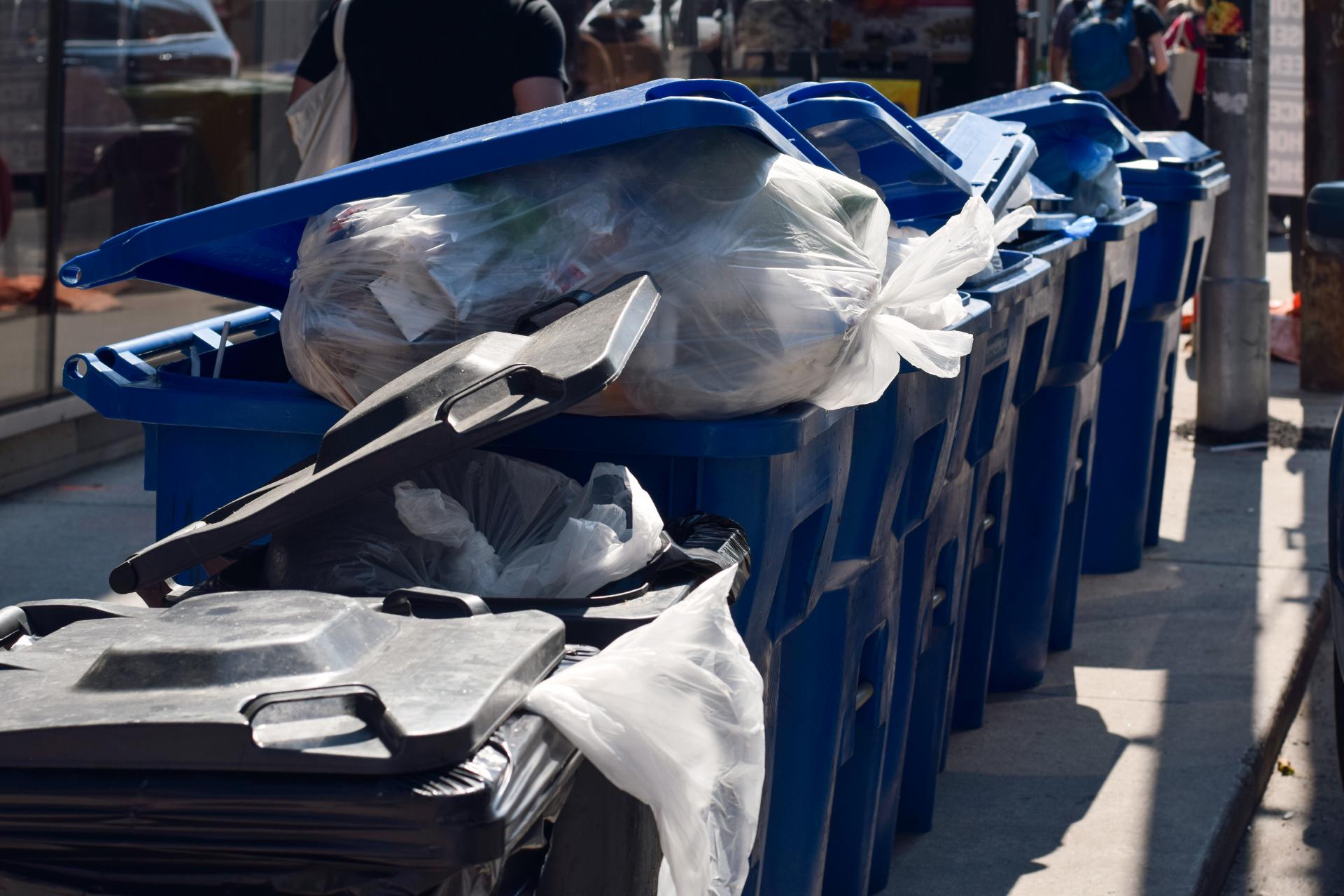
Plastic is used throughout commercial operations, from shipping and product packaging to manufacturing and food service. Its versatility makes it useful, but businesses that generate large quantities of discarded plastic often face crowded storage areas and unnecessary disposal expenses.
Effective plastic waste management starts with understanding what your facility throws away. Some materials can be recovered through plastic recycling rather than sent to a landfill, depending on their condition and the recycling options available.
Global Trash Solutions helps businesses evaluate their plastic waste and select equipment and services that may reduce handling and hauling expenses. Our goal is to find practical recovery opportunities that support your operations and sustainability plans.
Common Sources of Commercial Plastic Waste
A retailer’s discarded packaging differs from a factory’s production scrap. Both may contain recoverable plastic, but collection arrangements need to reflect how the material is generated and handled.
Common sources include:
- Warehouses and distribution centers: Pallet stretch film and shrink wrap used to secure shipments throughout the supply chain.
- Retail and e-commerce operations: Plastic packaging, shopping bags, returned merchandise packaging, and damaged plastic products.
- Manufacturing and industrial facilities: Production offcuts, rejected components, resin-based scrap, and other post-industrial plastic materials.
- Food and beverage businesses: Plastic bottles, jugs, tubs, and other plastic containers, some of which may contain food residue.
- Universities and office complexes: Supplies and packaging discarded across large or multiple buildings.
The most effective recovery options often involve materials generated in predictable quantities and kept separate from general trash. Even a facility with several small sources of packaging waste may benefit from collecting them together if the materials meet a recycler’s specifications.
WASTE REDUCTION
ENROLLMENT NOW
GET STARTED
Understanding Different Types of Plastic Waste
Plastic recycling depends partly on resin composition and partly on product form. Rigid plastics include bottles, buckets, and many molded containers. Flexible plastics include bags and wrapping, while plastic film refers to thin materials frequently used to secure shipments. These categories are not interchangeable with resin identification numbers.
The seven common resin codes are:
- #1 PET (polyethylene terephthalate): PET plastic is used for beverage bottles and some food packaging.
- #2 HDPE (high-density polyethylene): Used in detergent bottles, milk jugs, and some industrial containers.
- #3 PVC (polyvinyl chloride): Found in pipes and certain building products. Recycling often requires a specialized outlet.
- #4 LDPE (low-density polyethylene): Common in bags and films. Clean, compatible commercial film may have dedicated recycling options.
- #5 PP (polypropylene): Used in tubs, caps, and some reusable packaging.
- #6 PS (polystyrene): Used in rigid packaging and expanded foam. Recovery options are more limited in many areas. See our expanded plastic recycling page for foam-specific information.
- #7 Other: Includes other resins and some multi-material plastics requiring material-specific evaluation.
The resin code identifies a type of plastic, not a guarantee that a local recycler accepts it. Acceptance varies among recycling facilities, especially for mixed plastics and composite products. Some single-use plastics also have limited recovery options. Businesses should identify the plastic materials they generate before establishing a collection program.
Plastic Sorting and Recycling Contamination
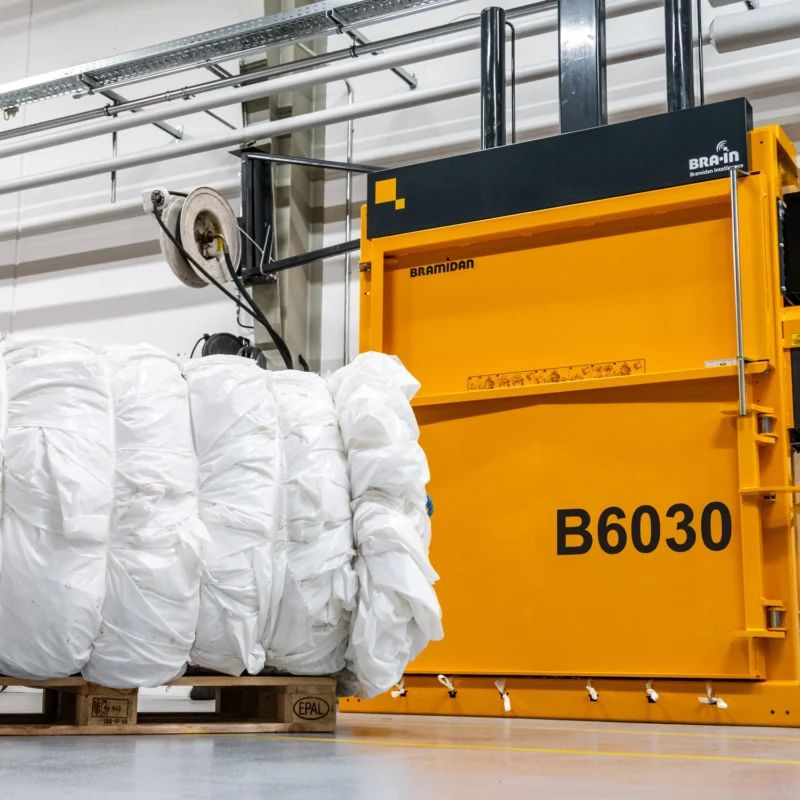
A recoverable material can become difficult or expensive to recycle when it is mixed with incompatible waste. Food residue or incompatible packaging can compromise the quality of recyclable materials. Different resins may also need separate collection, even when they look alike.
For instance, clean pallet film should generally be kept out of ordinary mixed-recycling bins unless the receiving program explicitly accepts it. Loose film can interfere with sorting equipment. Labels, tape, and closures may be tolerated by some processors but must be removed for others.
The best practice is to keep each recyclable plastic stream aligned with the receiving vendor's requirements, rather than assume everything bearing a recycling symbol belongs together. These practices can improve material recovery and reduce rejected loads.

How Global Trash Solutions Analyzes Plastic Waste Streams
Before recommending a recycling service or equipment purchase, GTS evaluates what a business generates and how it is currently managed. A waste audit can identify high-volume plastics being discarded with general trash and reveal opportunities to divert those materials from landfills.
Our waste consulting approach can include:
- Material identification: Examine the composition and condition of the facility's plastic waste stream.
- Volume and handling review: Estimate plastic quantities and identify opportunities to improve storage efficiency.
- Service and cost analysis: Evaluate vendor agreements and waste hauling expenses to identify potential savings.
- Recovery assessment: Identify suitable recycling partners and evaluate equipment needs based on available recovery options.
- Program recommendations: Develop site-specific waste solutions that consider operational needs and potential savings.
For a manufacturer, the largest opportunity might be a clean, consistent stream of production scrap. For a busy distribution center, it could be separating pallet wrap from the rest of its trash. GTS evaluates each type of waste in context instead of applying the same recycling program to every facility.
Commercial Plastic Recycling Programs
An effective commercial plastic recycling program starts with confirming what recycling facilities accept and how materials must be prepared. Dedicated recycling bins and clear employee instructions help keep recoverable plastics separate from general waste.
Clean, consistent streams such as pallet film or manufacturing scrap may justify separate collection. GTS can help businesses evaluate recycling vendors and collection logistics across the United States, including multi-location operations.
Recovered plastics can become recycled plastic products, replacing some virgin raw materials. However, financial returns from recycled material depend on buyer demand and recovery costs. GTS helps businesses evaluate these costs alongside potential landfill diversion benefits.
Equipment That Helps Manage Plastic Waste
Equipment can make bulky plastic easier to store and transport, but the right choice depends on the facility's waste volume and the requirements of its recycling partners.
Plastic Balers
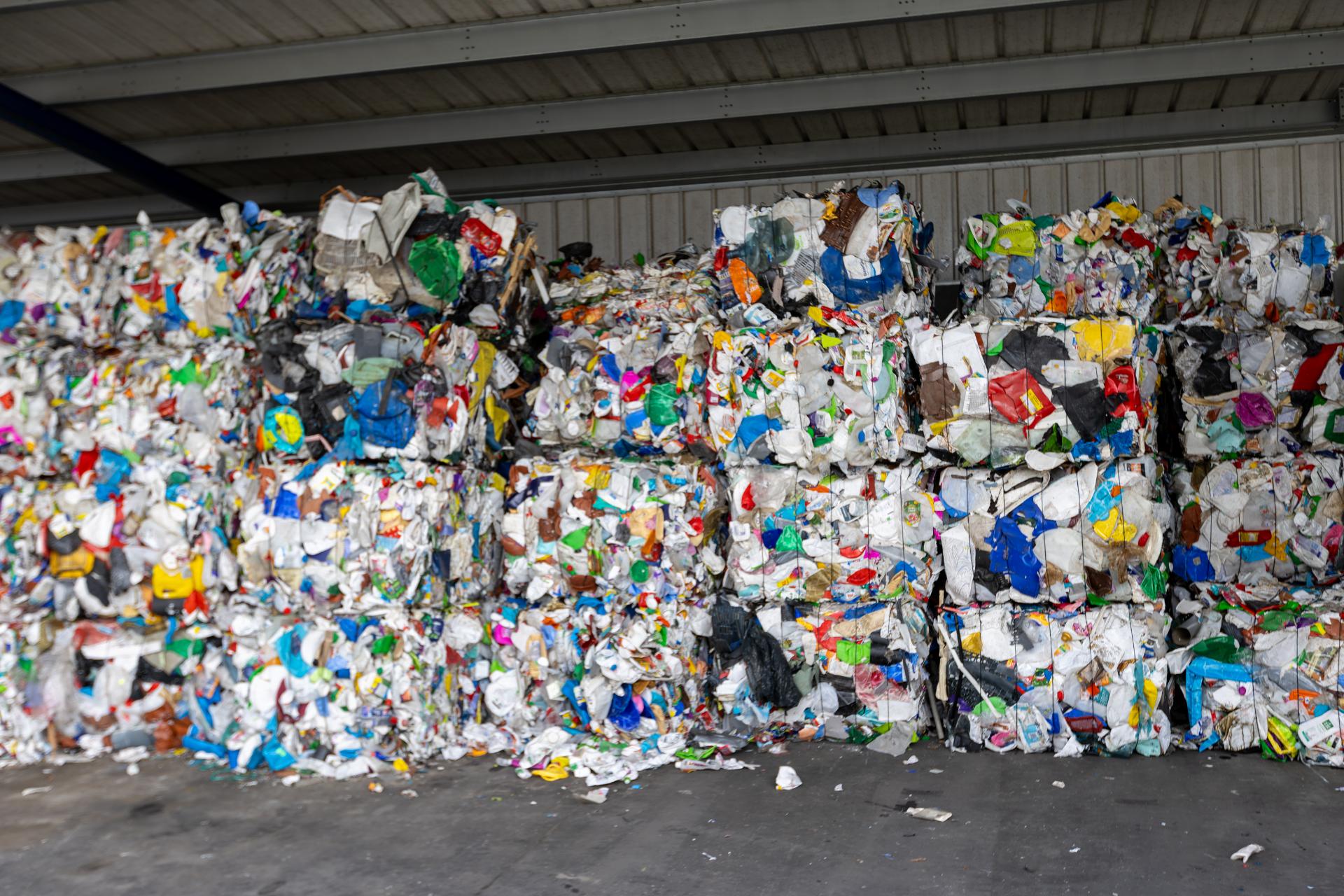
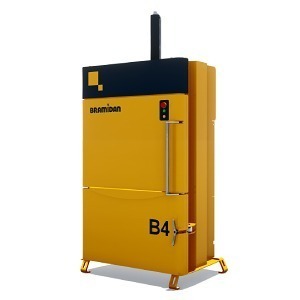
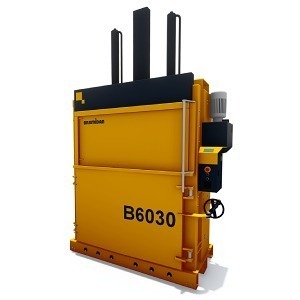
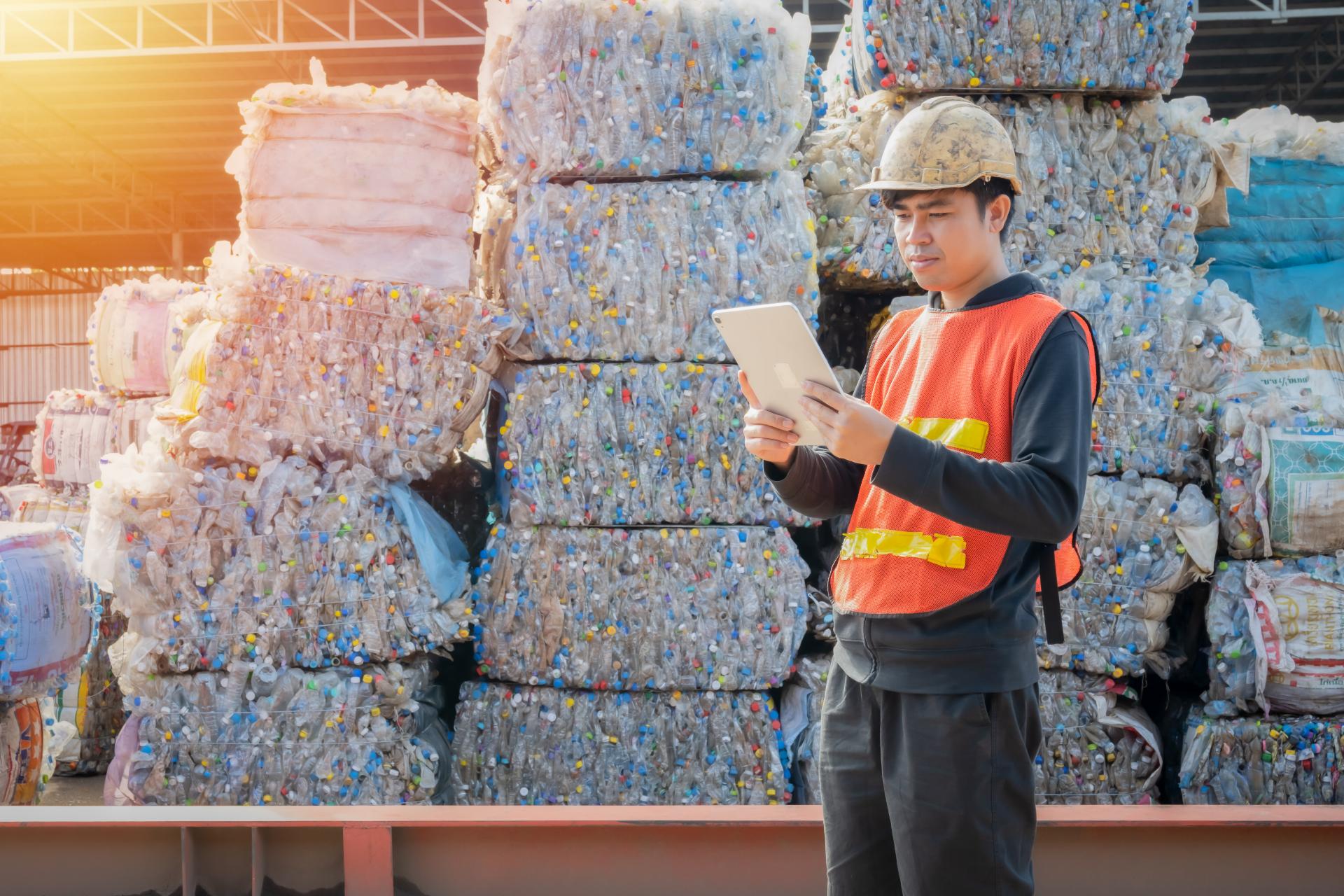
A plastic baler compresses suitable recyclables into tied bales. Businesses that generate substantial volumes of clean stretch film, certain flexible packaging, or compatible production scrap may benefit from volume reduction and more orderly storage.
Vertical balers can suit facilities with moderate volumes and limited space. Horizontal balers may be appropriate for larger, continuous streams. Properly prepared bales may improve truck utilization and reduce transportation costs, although savings are not automatic.
Waste Compactors
Waste compactors can help reduce the space occupied by bulky plastic waste that is destined for appropriate collection or disposal. They may support fewer pickups when paired with the right container and service schedule.
Compacting mixed or contaminated plastics does not make them recyclable. GTS can help businesses explore suitable baler and compactors.
Reduce Plastic Waste and Hauling Costs With Global Trash Solutions
Effective plastic waste reduction combines practical collection methods with informed vendor and equipment decisions. As your waste broker and consultant, GTS helps you find suitable recycling providers without limiting recommendations to a single hauler. We also review service costs to identify potential savings.
The right plan may involve resizing collection services or adjusting pickups to match actual volumes. These changes may reduce hauling costs while supporting measurable plastic waste diversion, depending on local markets and operational requirements.
If your business handles substantial industrial plastic waste or commercial packaging, contact Global Trash Solutions to request a free waste consultation. We'll review your current practices and help identify cost-effective alternatives to landfilling suitable materials.
FAQs
What types of plastic can businesses recycle?
Businesses can often recycle certain PET and HDPE containers, compatible polypropylene products, and clean polyethylene film through participating providers. Acceptance depends on the type and condition of the plastic, as well as available recycling markets. Confirm requirements with your recycler before collecting materials.
How do businesses recycle large amounts of plastic?
Businesses normally start by identifying high-volume materials and arranging dedicated collection with an appropriate vendor. Separating recyclable plastics from general trash and baling suitable materials can make large-volume recycling more manageable. GTS can review the economics and service options.
Can plastic film and shrink wrap be recycled?
Yes, some clean, dry polyethylene films and shrink wrap can be recycled through dedicated commercial programs. Not every film is accepted, and multi-layer packaging may require different handling. Confirm the material and collection specifications before mixing films together.
What is the difference between rigid and flexible plastic recycling?
Rigid products generally include bottles and molded containers, while flexible products include bags and films. They often require different collection and processing arrangements. A resin's composition and the receiving recycler's requirements determine the suitable approach.
How can a plastic baler reduce waste management costs?
A baler compresses suitable loose plastic into denser loads, which can save storage space and improve transportation efficiency. Businesses may reduce collection expenses or earn revenue from approved bales when material volumes and market conditions justify the costs.
How can businesses reduce plastic waste sent to landfill?
Start by limiting unnecessary packaging material where feasible, then separate recoverable plastics and arrange suitable recycling collection. Staff should know how to properly dispose of items that cannot be recycled.
How can Global Trash Solutions help with plastic waste management?
GTS evaluates plastic waste streams to identify suitable recycling vendors and equipment. We also review collection costs to identify potential savings. Our waste consultants can help your organization establish a recycling program that fits its operational requirements and waste-reduction goals.