CALL NOW FOR A FREE QUOTE 866.760.8194

Municipal Solid Waste Management Solutions
GET YOUR FREE CONSULTATION
Municipal solid waste (MSW) includes the everyday materials discarded by businesses and communities. Common examples range from packaging and food waste to general trash.
For organizations generating large quantities of material, municipal solid waste management involves more than routine pickup. A commercial waste management program can help organizations determine where discarded materials are creating unnecessary cost.
Global Trash Solutions helps businesses and municipalities evaluate their waste streams and develop more efficient approaches to recycling. For commercial facilities, analyzing business waste can reveal materials that may be recoverable instead of discarded.
What Makes Up a Commercial Municipal Solid Waste Stream?
The makeup of a municipal solid waste stream depends heavily on the type of facility. Common patterns include:
- Retail and shopping centers: Cardboard and product packaging, along with customer-generated waste
- Restaurants and hospitality properties: Food waste and mixed trash
- Offices: Paper and common recyclables
- Warehouses and distribution centers: Cardboard and shipping materials
- Schools, healthcare facilities, and public-sector operations: Everyday solid waste generated through routine activities
- Multifamily properties: Household trash and discarded packaging
- Manufacturing facilities: Ordinary MSW from offices and packaging areas, separate from industrial process waste
Identifying each type of waste can reveal materials that may be suitable for recovery and show where service levels do not match actual waste volume.
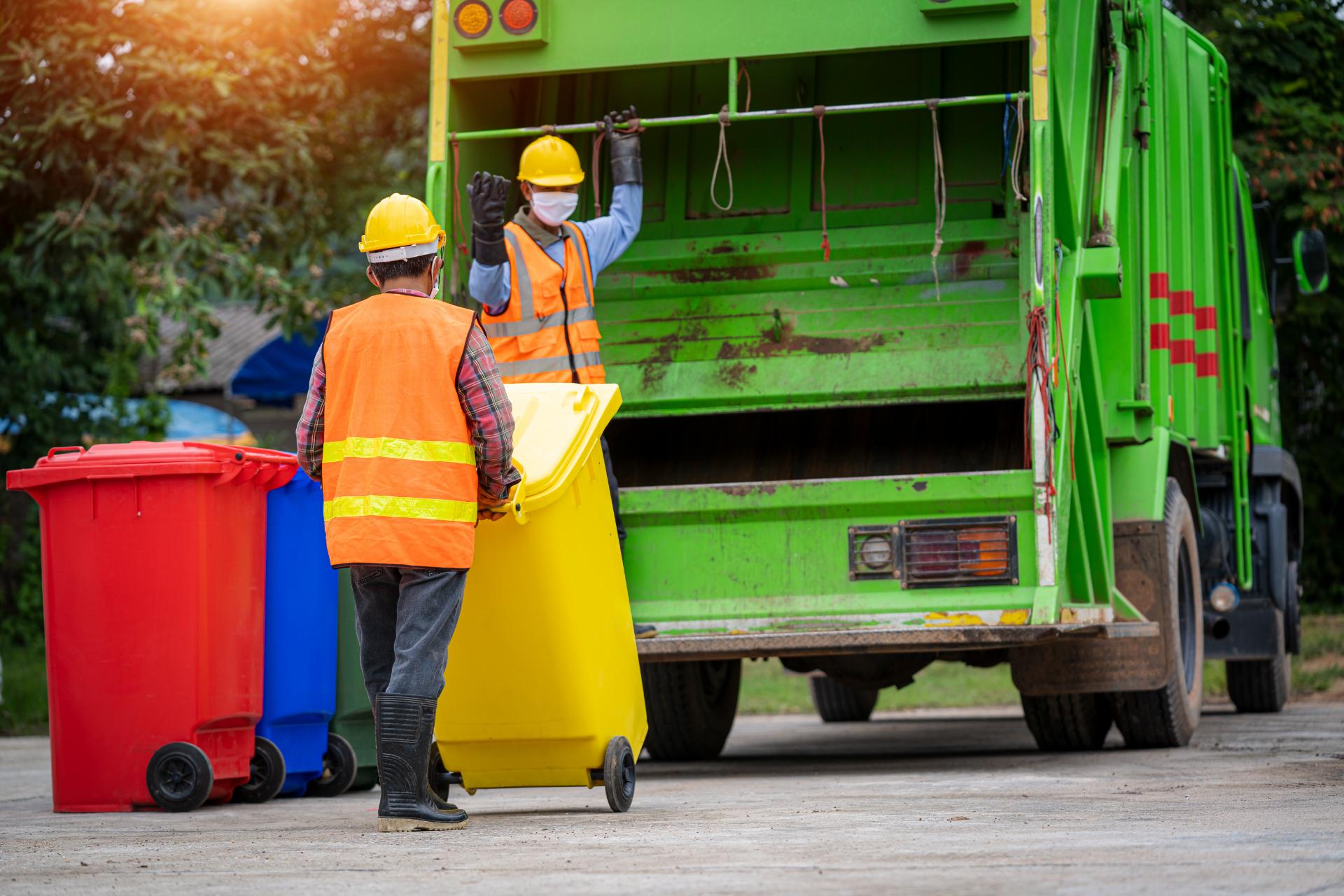
WASTE REDUCTION
ENROLLMENT NOW
GET STARTED
How Does the Commercial MSW Stream Vary by Facility Type?
EPA data illustrates the scale of the waste stream. In 2018, the United States generated about 292.4 million tons of municipal solid waste. Approximately 69 million tons were recycled and 24.9 million tons were composted, while about 146.2 million tons went to landfills. Together, recycling and composting accounted for 32.1% of MSW generated, according to EPA data on waste and recycling.
The composition of municipal solid waste varies by operation. Common materials include:
- Paper and cardboard
- Plastic packaging and containers
- Food and other organic waste
- Metals and glass
- Textiles
- General trash and non-recyclable materials
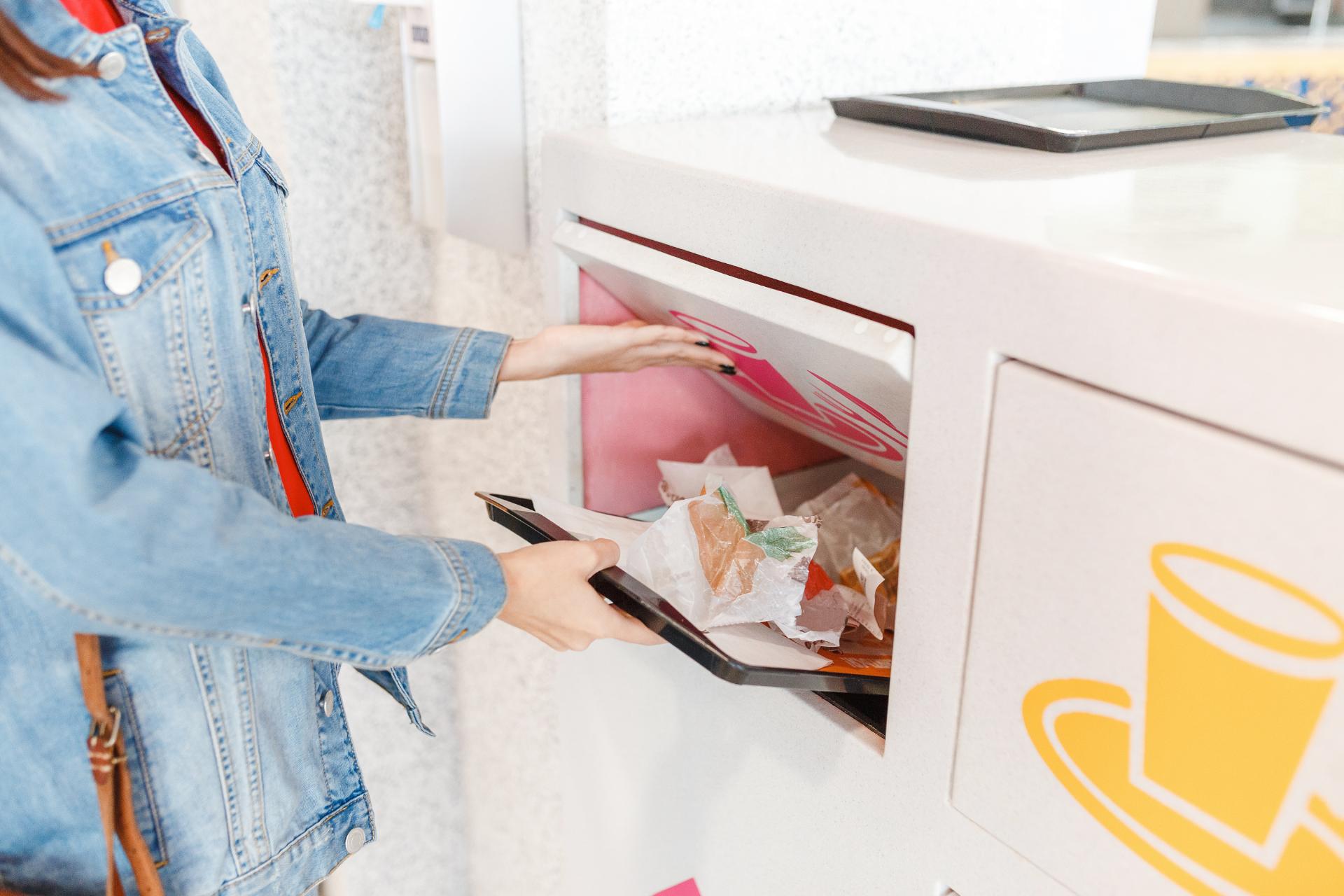
Waste Stream Analysis and Waste Audits
A waste audit provides a closer look at what a facility discards and how those materials are handled. GTS can perform waste stream analysis to evaluate factors such as:
- Types and estimated quantities of material being discarded
- Recyclable materials entering general trash
- Contamination within recycling streams
- Container sizes and current service levels
- Pickup frequency and collection schedules
- Existing recycling services
- Hauling and disposal costs
By comparing the physical waste stream with current services and expenses, organizations can build a trash management system around actual operating conditions instead of outdated service levels.

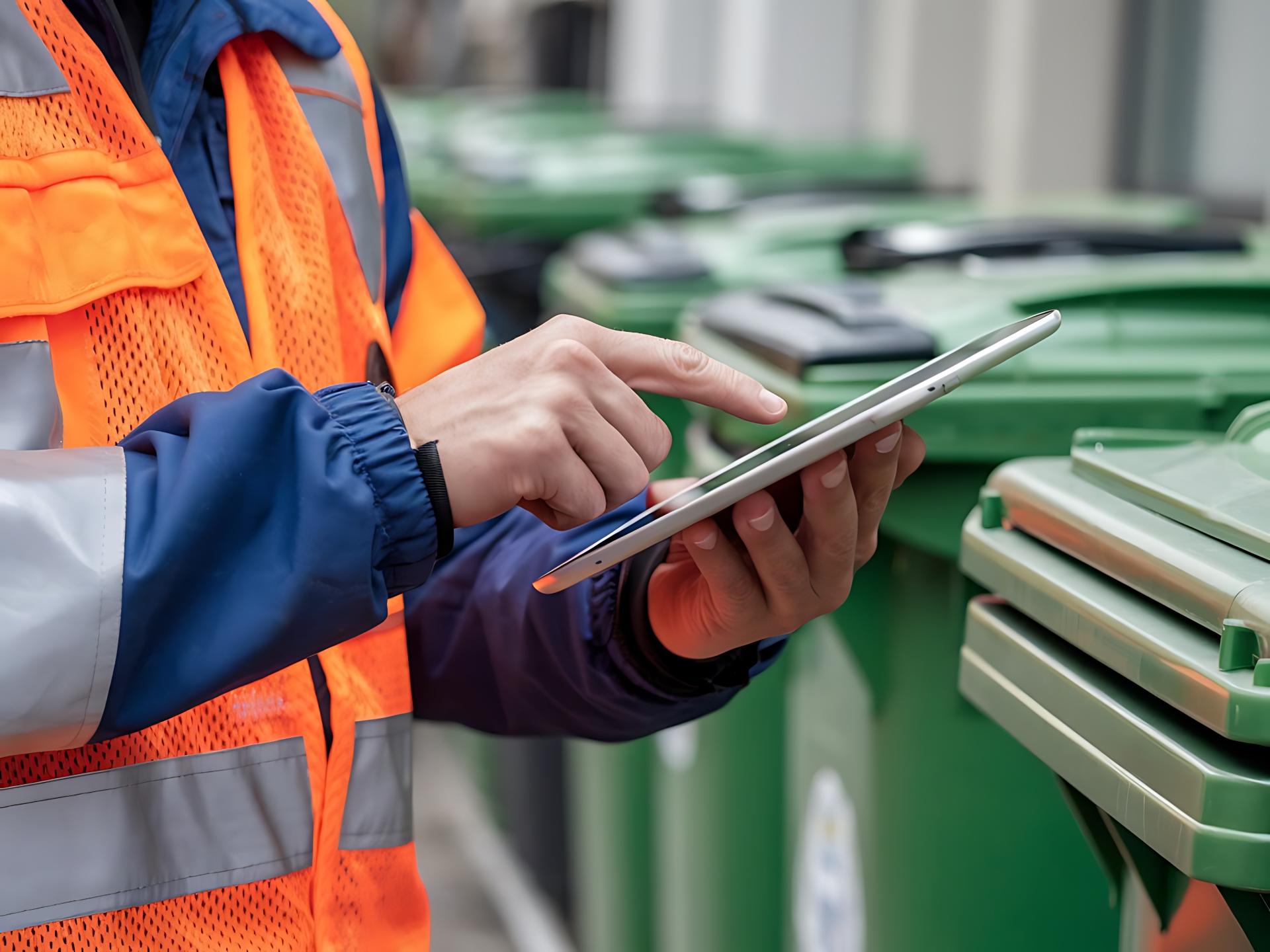
Reducing Municipal Solid Waste Through Recycling and Diversion
Effective waste reduction starts with identifying materials that do not need to enter the trash stream. Source reduction and reuse can decrease the amount of material requiring collection, while a well-designed recycling program can capture suitable commodities before they become landfill waste.
Successful waste diversion depends on the materials involved and the commercial recycling services and markets available to the facility. Better source separation and clear facility procedures can support landfill diversion by keeping recyclable or compostable materials out of mixed trash.
Optimize Waste Collection and Hauling Services
Waste management costs are affected by service design as well as the amount of material generated. GTS can review container sizes, the number of dumpsters on site, and pickup schedules to determine if current waste collection services fit actual usage.
For some facilities, excess capacity or overly frequent trash collection can increase operating expenses. Others may experience recurring overflow because containers are too small or garbage collection schedules do not reflect changing demand.
GTS can also review waste hauling arrangements, recycling service needs, and multiple vendor relationships. Right-sizing service can help control hauling costs while maintaining reliable trash and recycling operations.

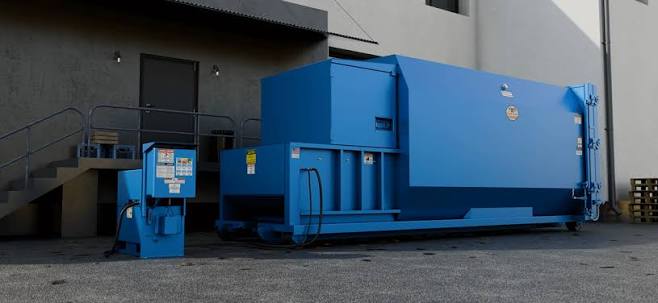
Waste Equipment for High-Volume Waste Streams
The right waste equipment can improve how high-volume materials are stored and prepared for pickup. Depending on the facility and material stream, GTS may recommend equipment such as:
- Waste compactors: Compress suitable trash to reduce physical volume and potentially allow more material to be stored between collections.
- Recycling and cardboard balers: Compress separated recyclables into dense bales that can be easier to store, handle, and transport.
Equipment should be selected around the facility’s material mix and operating conditions. In the right application, it can contribute to operational cost savings, but it should support a broader waste strategy rather than replace one.
How Global Trash Solutions Helps Reduce MSW Costs
Global Trash Solutions works as a waste management consultant and waste broker, helping organizations examine how materials move from generation through collection and disposal.
GTS can conduct audits, identify recoverable materials, improve recycling strategies, evaluate equipment, coordinate vendors, and review service arrangements. We can also assess contract terms and collection schedules for opportunities to reduce unnecessary expenses.
This approach allows solid waste management decisions to reflect the organization’s actual needs. The goal is to reduce landfill dependence where practical while improving service and protecting the bottom line.

Why Choose Global Trash Solutions for Municipal Solid Waste Management?
Global Trash Solutions has helped organizations improve their waste programs since 2008. GTS combines consulting and waste brokerage expertise with equipment support, giving customers one resource for evaluating services and finding practical ways to improve waste operations.
Call 866-760-8194 today for a free quote and learn how Global Trash Solutions can help improve your municipal solid waste program.
FAQs
What is municipal solid waste?
Municipal solid waste is everyday trash generated by homes, businesses, and other facilities. It includes discarded materials such as food waste and general trash.
What materials are included in municipal solid waste?
MSW can include materials that may be recyclable or compostable as well as general trash that requires disposal. Hazardous waste and certain industrial process wastes are managed separately.
How can businesses reduce municipal solid waste?
Businesses can reduce municipal solid waste by generating less material, recovering more of what they discard, and aligning collection services with actual needs. These efforts can also reduce the amount of material sent for landfill disposal.
What is a municipal solid waste audit?
A municipal solid waste audit examines what a facility discards, how much it generates, and how those materials are collected or recovered. The findings can reveal opportunities for better service or recovery.
How can recycling reduce waste management costs?
Recycling can lower costs when recoverable materials are separated from disposal streams and local conditions support efficient collection. The financial impact depends on the material and the services available.
Can compactors reduce municipal solid waste hauling costs?
Yes, in appropriate applications. By increasing material density, compactors may reduce collection frequency and support lower hauling expenses, depending on the waste stream and service setup.
How can Global Trash Solutions help manage municipal solid waste?
GTS can evaluate the waste stream, review collection and vendor services, identify recycling opportunities, and recommend equipment when appropriate. The result is a program built around the organization’s actual waste and operating needs.