CALL NOW FOR A FREE QUOTE 866.760.8194

Waste Management Solutions for Retail Food Stores
GET YOUR FREE CONSULTATION
Retail businesses generate large and varied amounts of waste every day. In fact, retail stores in the U.S. generate around 16 billion pounds of food waste every year. From major supermarkets and grocery stores to neighborhood convenience stores and boutiques, managing retail waste efficiently plays a direct role in determining operating costs and brand perception.
Without a structured approach to commercial trash collection, retail stores often overpay for pickup services that don’t reflect actual waste volumes.
Global Trash Solutions (GTS) helps retailers take control of waste management by designing programs that improve recycling performance across every retail space. Our retail-focused waste management service supports grocery store operations, multi-location chains, and independent retail stores—often delivering 35% or more savings on waste disposal costs through smarter systems and vendor oversight.
Common Retail Waste Challenges
Retail environments produce a wide range of waste streams, often in high volumes and on tight timelines. Packaging waste from incoming food products—such as cardboard, plastics, and damaged boxes—quickly piles up in receiving areas.
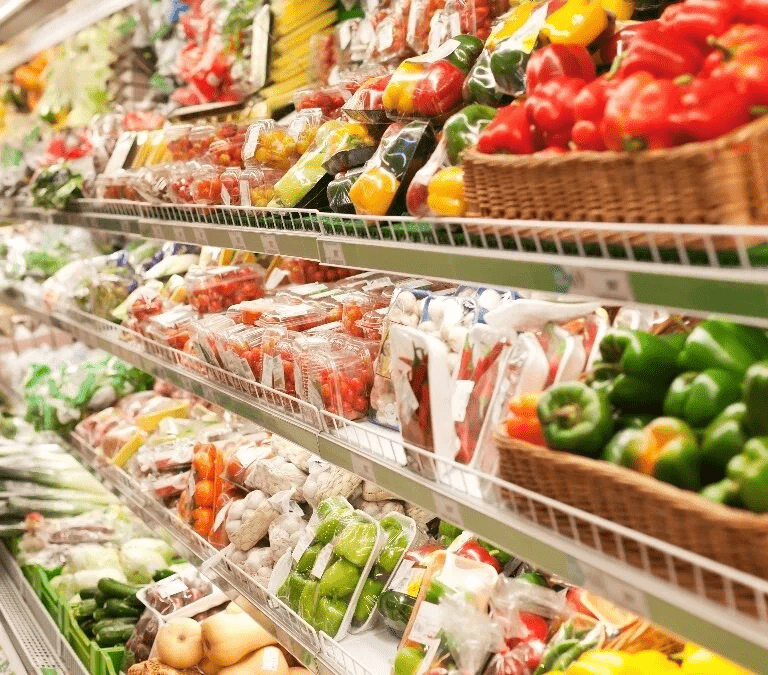
Grocery store waste also includes food scraps, expired items, unsold inventory, and organic wastes that require careful handling.
Some retail sites also generate hazardous waste or other regulated materials, such as certain batteries and cleaning chemicals, which require specific disposal methods.
Many retailers struggle with:
- Inconsistent pickup schedules that don’t match actual amounts of waste
- Overflowing dumpsters and bins that create sanitation issues
- Inefficient disposal vendors and poorly structured contracts
- Limited retail space in back-of-house areas
- Lack of visibility into waste needs across multiple locations
Without a proper waste management system, retailers pay for unnecessary trash pickup and oversized dumpsters, among other expenses.

WASTE REDUCTION
ENROLLMENT NOW
GET STARTED
Retail Waste Reduction and Recycling Solutions From GTS
GTS delivers end-to-end retail waste solutions that combine equipment and services into a single waste management program. Our approach to retail waste management focuses on improving removal efficiency and increasing landfill diversion.
We design recycling solutions and waste collection strategies that fit each retail store’s layout, waste stream, and regulatory requirements. Whether we’re managing solid waste for a single grocery store or coordinating retail waste collection for national chains, our programs scale with your business.
Key components include:
- Optimized waste pickup schedules
- Recycling programs for cardboard, plastics, electronics, and packaging material
- Right-sized dumpsters and bins to match actual waste volumes
- Waste management software to track performance and costs

Food Waste and Organics Management for Grocery Stores
Food waste is one of the most costly and regulated waste streams in grocery store and supermarket operations. GTS helps retailers significantly reduce food waste through practical organics management strategies.
Our food waste programs focus on:
- Food donation partnerships to redirect edible food products
- Composting and organic waste diversion for food scraps
- Source reduction strategies to reduce the amount of waste generated
- Tracking systems that measure how each approach reduces food waste over time
We also support compliance with state and local regulatory requirements tied to organic wastes and landfill diversion mandates. By monitoring food waste data, retailers gain clear insight into disposal methods and opportunities to improve handling practices.
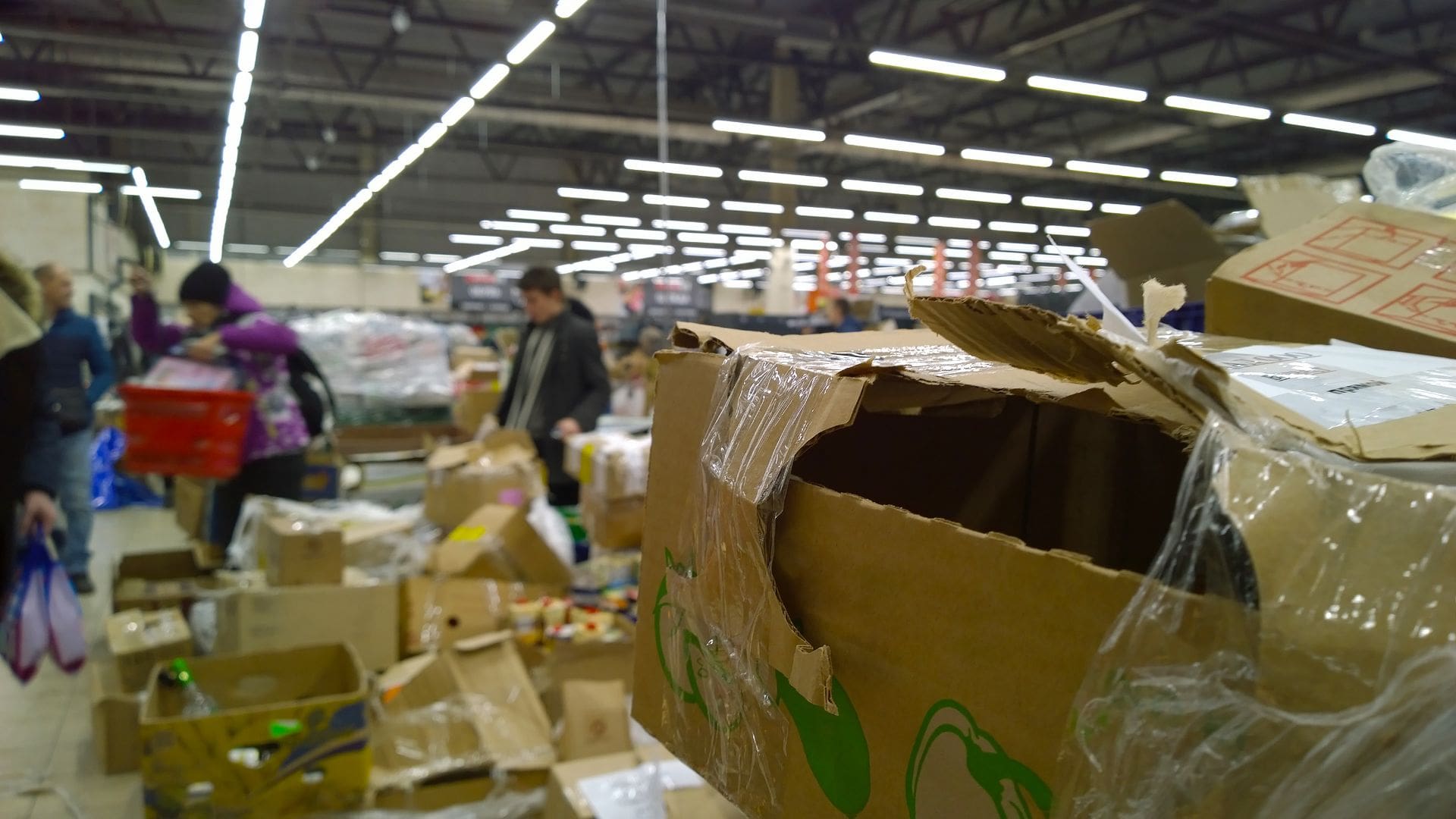

Waste Audits for Retail Operations
An audit is often the fastest way to uncover hidden inefficiencies in retail waste disposal. GTS conducts detailed audits that examine multiple factors that impact your waste management practices and your bottom line.
Through waste stream analysis, we identify:
- Overcharges tied to unnecessary waste pickup or oversized containers
- Missed recycling opportunities for cardboard and plastics
- Equipment mismatches that increase labor or safety risks
- Opportunities to reduce waste removal costs without disrupting operations
Retailers can use our audit findings to implement changes that consistently cut costs while improving waste collection reliability.
Vendor Management and Contract Negotiation
Managing multiple vendors across locations can drain time and budgets. GTS acts as a single point of accountability for waste disposal vendors and service oversight.
We help retailers:
- Consolidate waste management service providers across locations
- Standardize waste pickup service terms and billing
- Negotiate improved rates for recycling services and commercial dumpster use
- Resolve overflow issues and service gaps

Supporting Retail Sustainability Goals
Effective retail waste management supports sustainability goals while strengthening brand trust. Cleaner waste handling efforts can resonate with customers and employees alike.
GTS helps retailers:
- Align waste management programs with corporate sustainability goals
- Track landfill diversion and recycling performance
- Integrate sustainability metrics into internal and external reporting
- Meet local zero-waste and composting requirements
By reducing waste sent to landfills, retailers demonstrate responsible stewardship of resources while improving operational performance.
Compactors, Balers, and Recycling Systems for Retail Environments
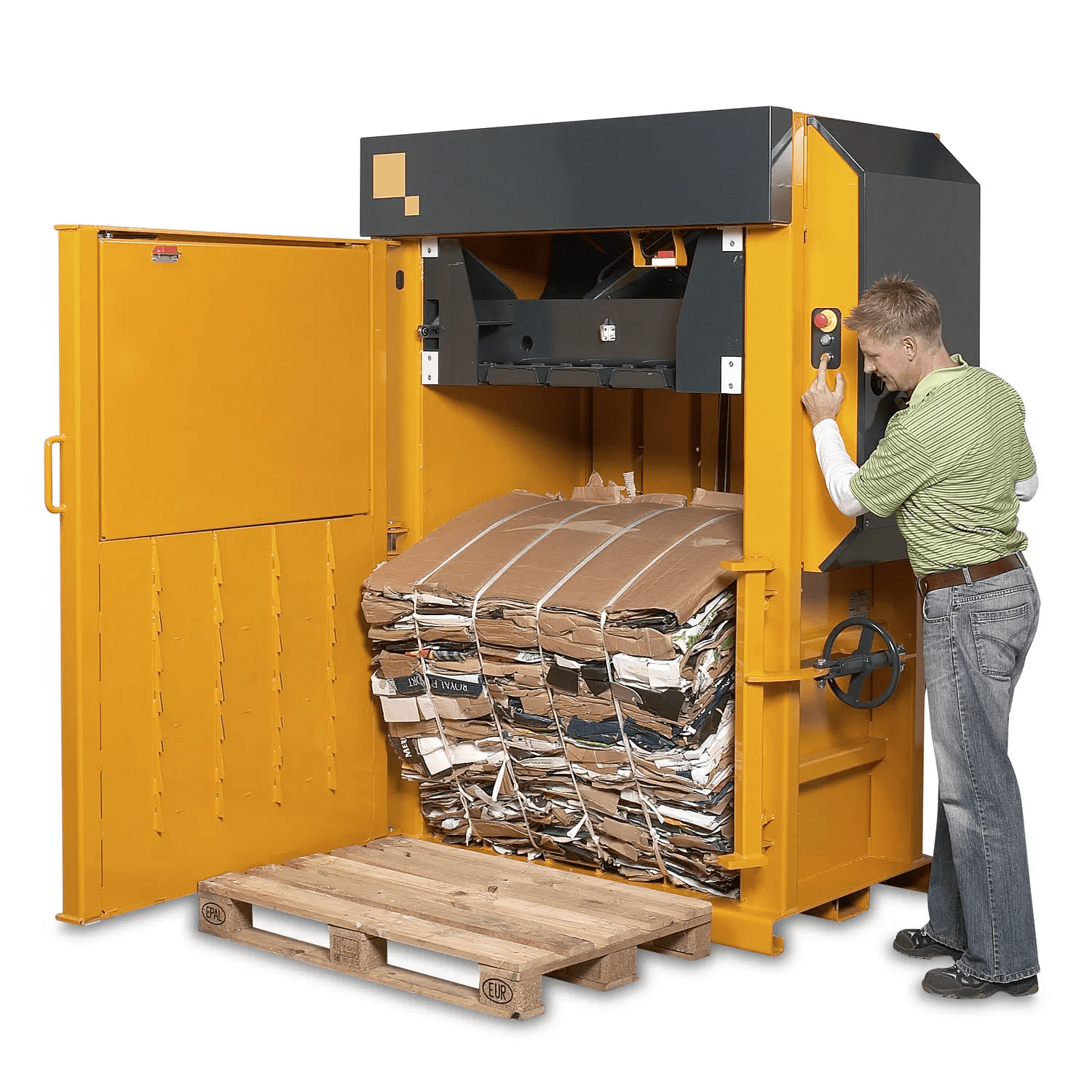
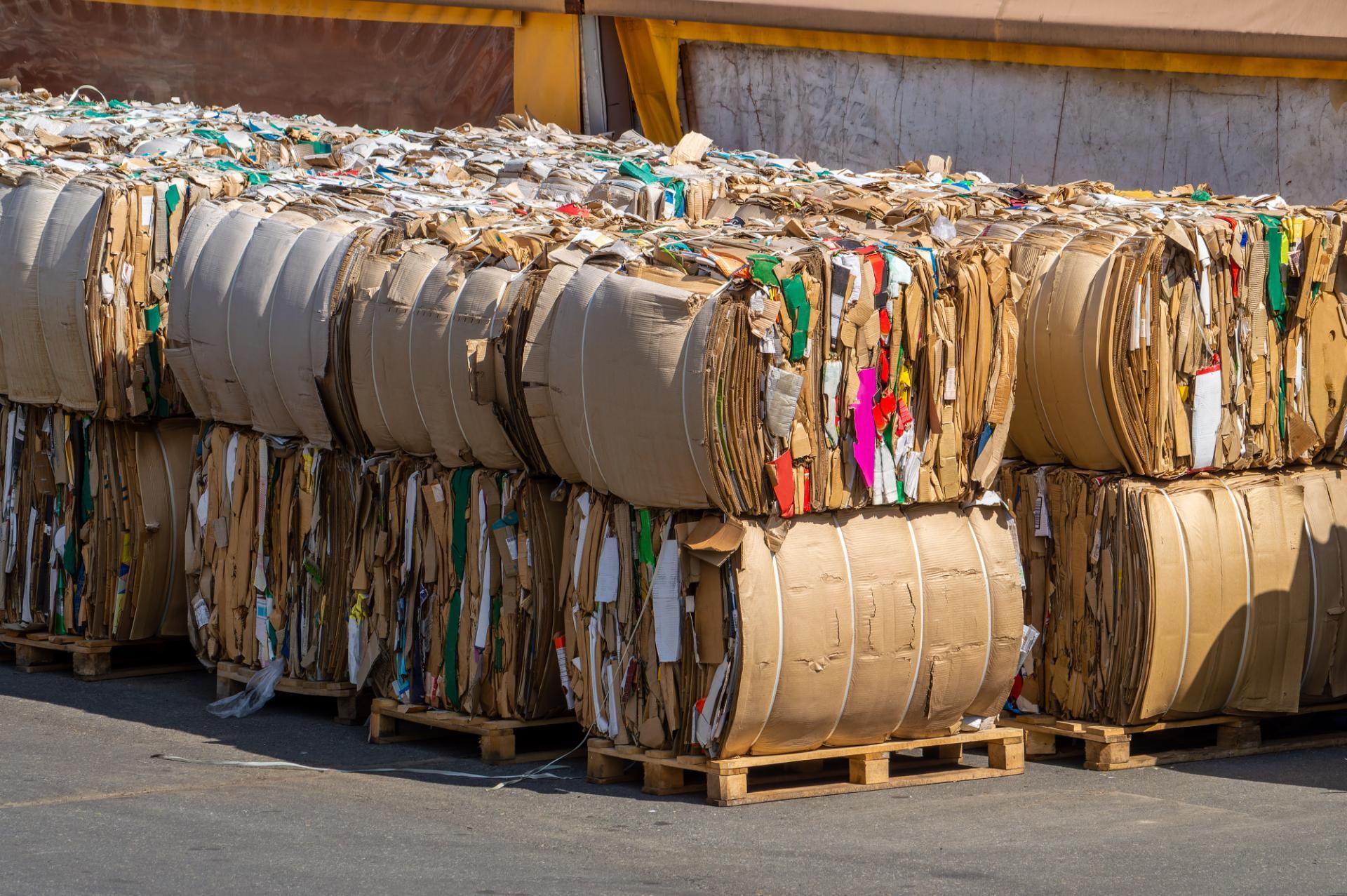
Retail operations require equipment designed for safety and efficiency. GTS provides a variety of equipment—including compactors, balers, and recycling systems—suited for back-of-house areas, loading docks, and warehouse spaces.
Benefits include:
- Reduced waste volume and fewer waste pickup visits
- Improved sanitation and employee safety
- Better handling of cardboard, plastics, and solid waste
- Cleaner retail space with less clutter
We also supply recycling bins and commercial dumpster rentals sized to match real-world waste needs.
Measurable ROI and Operational Improvements
Retailers that partner with GTS see measurable improvements across cost control and daily operations. Our waste management system reduces hauling expenses and frees valuable retail space.
Clients benefit from:
- Lower retail waste disposal costs
- Fewer service interruptions
- Cleaner grocery store and retail environments
- Improved logistics across waste collection and recycling programs
With nationwide coverage, GTS supports both small businesses and large retail chains with consistent service and results.
Partner With GTS
Retail waste challenges don’t need to limit your operations. GTS works as a long-term partner to design and optimize waste management programs that reduce waste and cut costs.
Schedule a free waste audit or consultation to see how GTS can improve your retail waste management strategy. Call us at 866-760-8194 to get started.

FAQs
How can retailers reduce packaging and cardboard waste?
Retailers can reduce packaging waste by improving recycling programs for cardboard and plastics, using balers to reduce volume, and applying source reduction strategies that reduce the amount of packaging material entering the waste stream.
Can GTS help multi-location retail chains with nationwide waste contracts?
Yes. GTS manages disposal vendors, waste pickup service schedules, and billing across multiple locations, giving retailers consistent service and better pricing nationwide.
What is the best way to handle food waste in grocery stores and supermarkets?
The best approach combines food donation, composting, and tracking systems that reduce food waste while meeting regulatory requirements for organic wastes.
How often should a waste audit be conducted for retail operations?
Most retailers benefit from a waste audit every one to two years, or after major operational changes, to ensure disposal methods and waste management practices remain cost-effective.
How does improving waste management support retail sustainability goals?
Better waste management increases landfill diversion, supports recycling solutions, and provides data that strengthens sustainability reporting and CSR initiatives.