CALL NOW FOR A FREE QUOTE 866.760.8194

Cardboard Waste Management for Businesses
GET YOUR FREE CONSULTATION
Cardboard can consume valuable floor space soon after shipments arrive. Loose boxes accumulate around receiving areas and fill containers quickly. When that volume is handled as ordinary trash, businesses may pay for avoidable pickups and landfill disposal.
Much commercial waste consists of corrugated cardboard used for shipping, packaging, and product storage. This paper material contains a fluted layer between liner sheets, which provides strength without excessive weight. Its construction also makes loose boxes bulky, even though clean, dry material is often recyclable.
Global Trash Solutions helps businesses build commercial cardboard recycling programs around their actual operations. Through recycling planning and service coordination, GTS can help facilities improve the efficiency of their broader waste management programs.
Common Sources of Cardboard Waste
Commercial facilities receive cardboard in many forms. Volumes may remain consistent or rise sharply during seasonal inventory changes and periods of increased fulfillment activity.
Common sources include:
- Shipping boxes and protective packaging materials
- Cardboard containers used for inbound inventory
- Product packaging from retail stores and distribution centers
- Bulk deliveries received by warehouses and manufacturing facilities
- Packaging discarded by e-commerce fulfillment operations
Cardboard can accumulate faster than employees can flatten or move it. Loose boxes may obstruct work areas and take up container capacity. They can also increase collection frequency when placed in a general-waste dumpster instead of a dedicated recycling system.
Facilities that commonly generate large amounts of cardboard include:
- Retail stores and shopping centers
- Warehouses and distribution centers
- Manufacturing facilities
- Grocery stores and restaurants
- Hospitals and other healthcare facilities
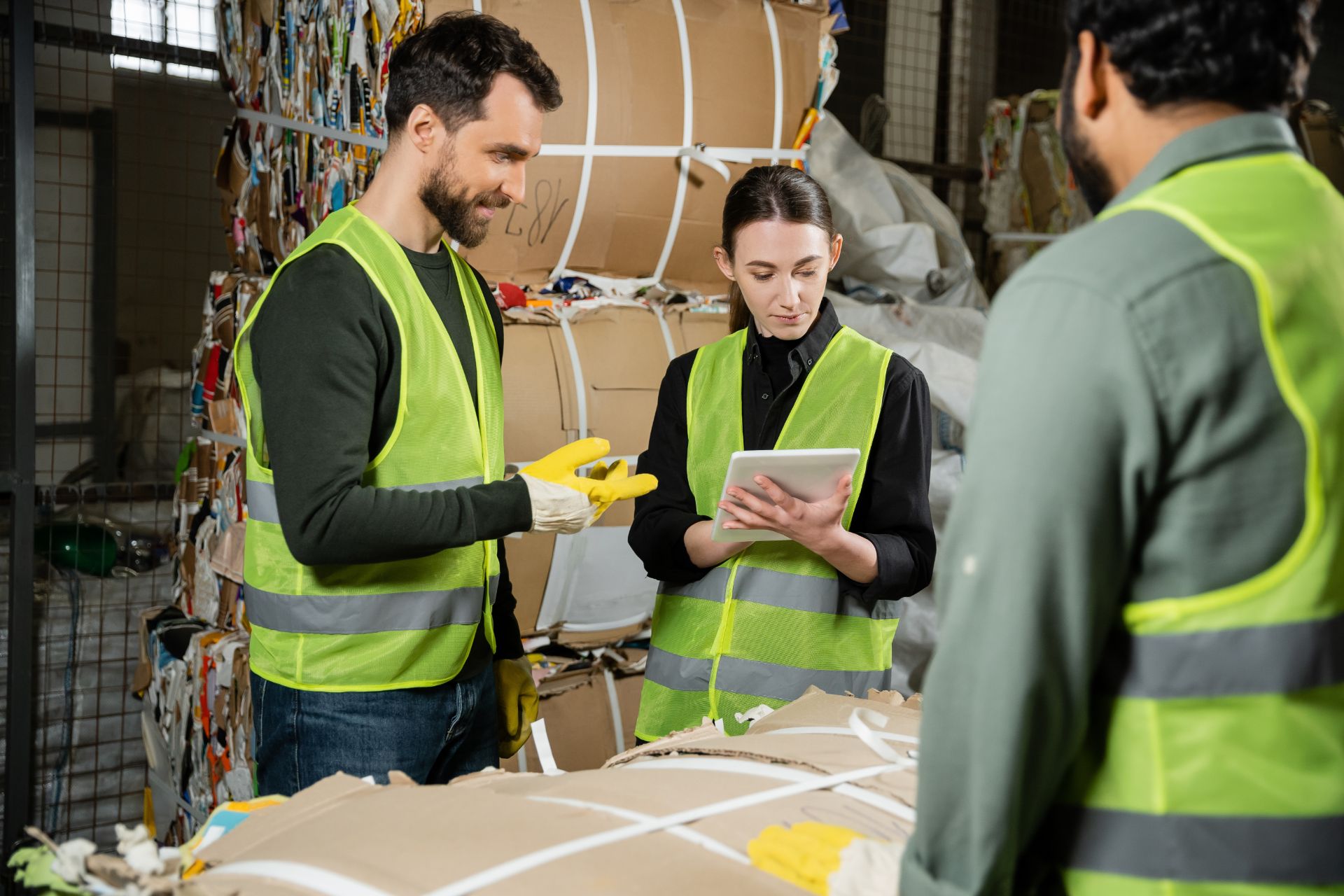
The process should reflect where employees unpack goods and can separate the material. A distribution center may need collection points near unpacking stations, while a retailer may rely on recycling bins in a stockroom. Grocery stores and restaurants must also keep food waste and wet materials out of the cardboard stream when required by the recycler.
WASTE REDUCTION
ENROLLMENT NOW
GET STARTED
Business Benefits of Recycling Cardboard
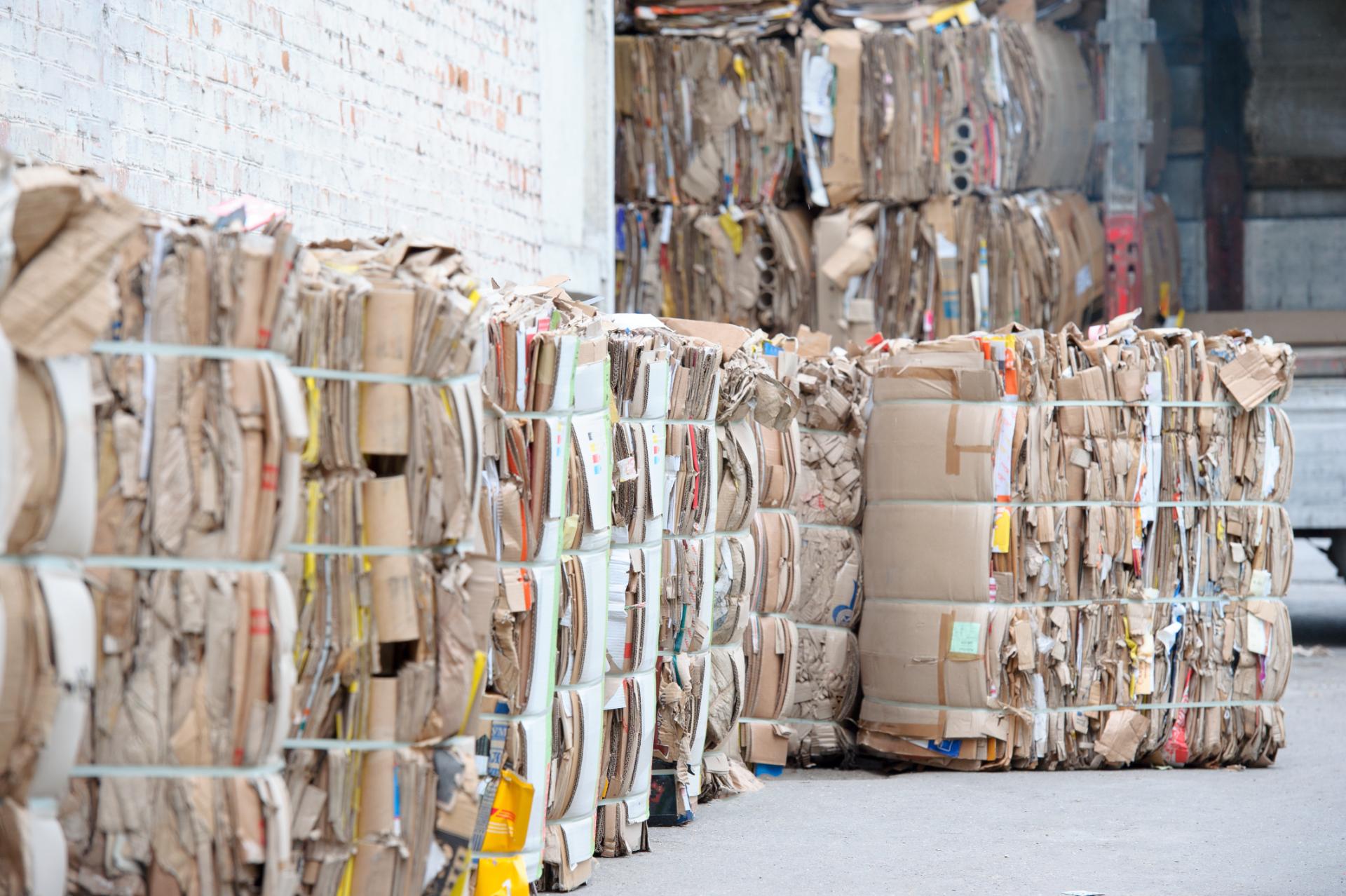
Cardboard is one of the most widely recycled paper materials in the U.S., but recyclability does not guarantee that every box will be accepted. Clean, dry corrugated material is generally preferred. Food residue, moisture, wax coatings, and plastic liners may affect how a recycling facility handles a load.
A well-managed program can reduce the amount of material sent to a landfill and support the recovery of fiber for new paper products. It can also help a company document progress toward waste-diversion goals. These benefits begin with separating recyclable cardboard from trash and routing it to an appropriate recycler.
For many businesses, the immediate concern is cost and site efficiency. Separating and consolidating cardboard may help a facility:
- Reduce waste volume in general-waste containers
- Avoid unnecessary pickups or disposal charges
- Improve loading-dock organization and waste handling
- Recover more recyclable materials from the waste stream
- Create a consistent process for employees
Actual cost savings depend on the existing service arrangement and the amount of cardboard generated. Local market conditions are another important factor. Any hauling reduction should be weighed against equipment and labor expenses.
How Global Trash Solutions Helps Businesses Recycle Cardboard
Global Trash Solutions acts as a recycling partner and customer advocate. GTS reviews how cardboard moves through the facility and leaves the site. This analysis can reveal opportunities to recycle cardboard more consistently or introduce equipment.
A cardboard-focused waste consulting engagement may include:
- Analyzing the facility’s cardboard volume and current waste stream
- Developing or improving the facility’s recovery program
- Coordinating bulk cardboard pickup with qualified service providers
- Identifying a collection center or commercial recycling center that accepts the material
- Reviewing contracts and invoices for waste hauling services
Through waste brokering, GTS can evaluate providers and negotiate service terms on the customer’s behalf. We do not own hauling trucks, so our recommendations are not limited to a single hauler. We can coordinate recycling solutions suited to the facility’s volume and location.
When evaluating waste consulting companies, businesses should consider how recommendations will be implemented after the initial review. GTS can provide one point of contact for contract evaluation, equipment sourcing, and ongoing service oversight. This approach may help clients reduce waste and lower operational costs as needs change.
Cardboard Collection and Recycling Services
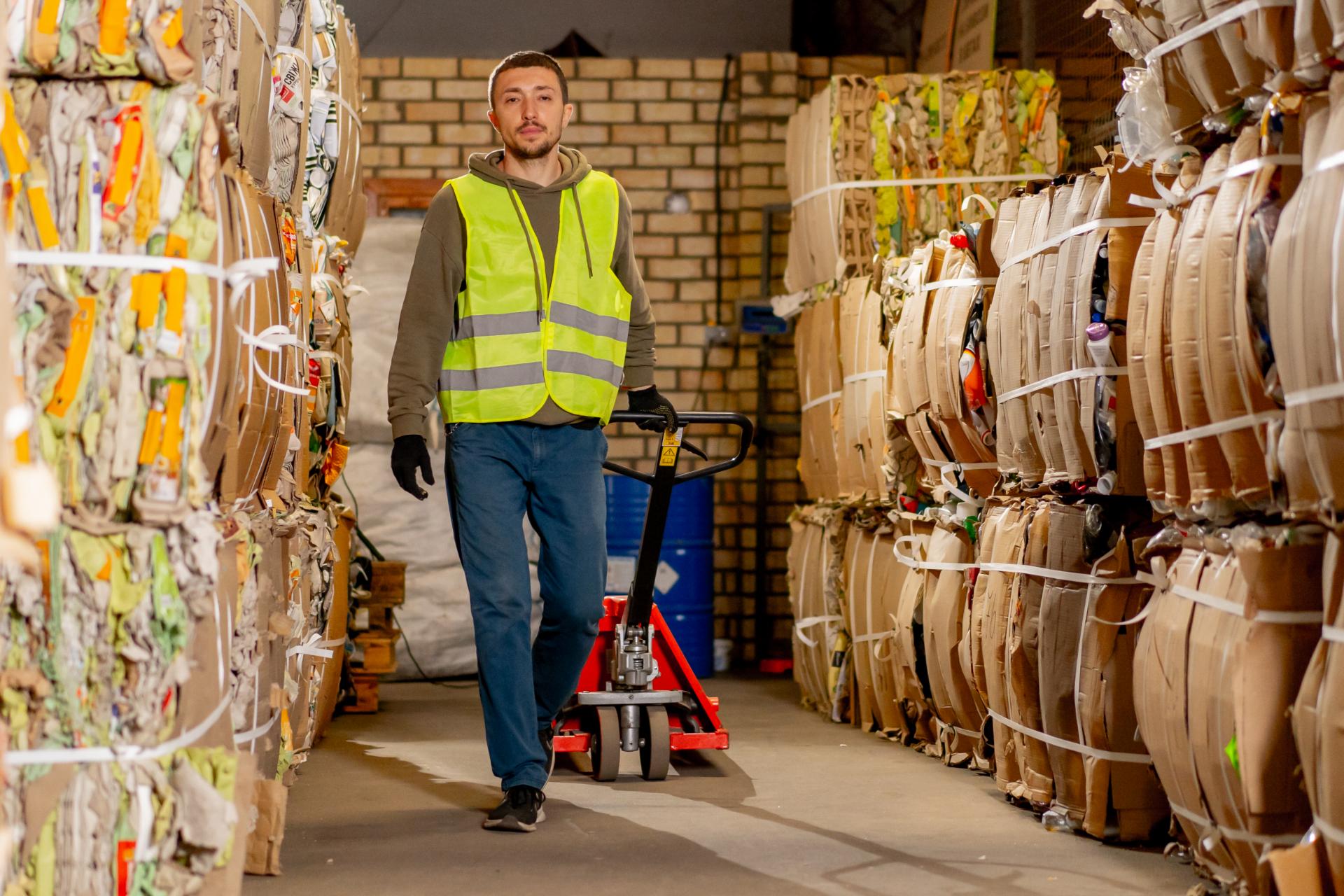
A commercial program usually begins with source separation. Employees place acceptable cardboard in designated containers or take it to a staging area. Keeping it dry and free from trash helps protect material quality.
Collection arrangements vary by facility and recycling partner. GTS can coordinate a recycling service based on volume, storage capacity, and receiver specifications. The plan may involve loose-cardboard collection, scheduled bale removal, or bulk cardboard pickup after enough material accumulates.
Collected cardboard goes to a recycling center or another approved processor. Acceptance rules differ, so businesses should confirm which coatings and mixed packaging components are permitted.
When local recycling options allow, a cardboard disposal service should route recoverable material to an appropriate processor. GTS can coordinate collection with the receiving facility so the process fits normal operations and avoids unnecessary handling.
Equipment That Helps Reduce Cardboard Waste Volume
Equipment can make cardboard easier to store and transport. Selection begins with material volume and available floor space. Power requirements and pickup specifications also affect the decision. GTS evaluates those factors before recommending a baler for cardboard waste or another option.
Some balers may achieve volume-reduction ratios ranging from 5:1 to 10:1 for loose cardboard. However, actual performance depends on the equipment and how the material is prepared, so the expected ratio should be confirmed for the selected model.
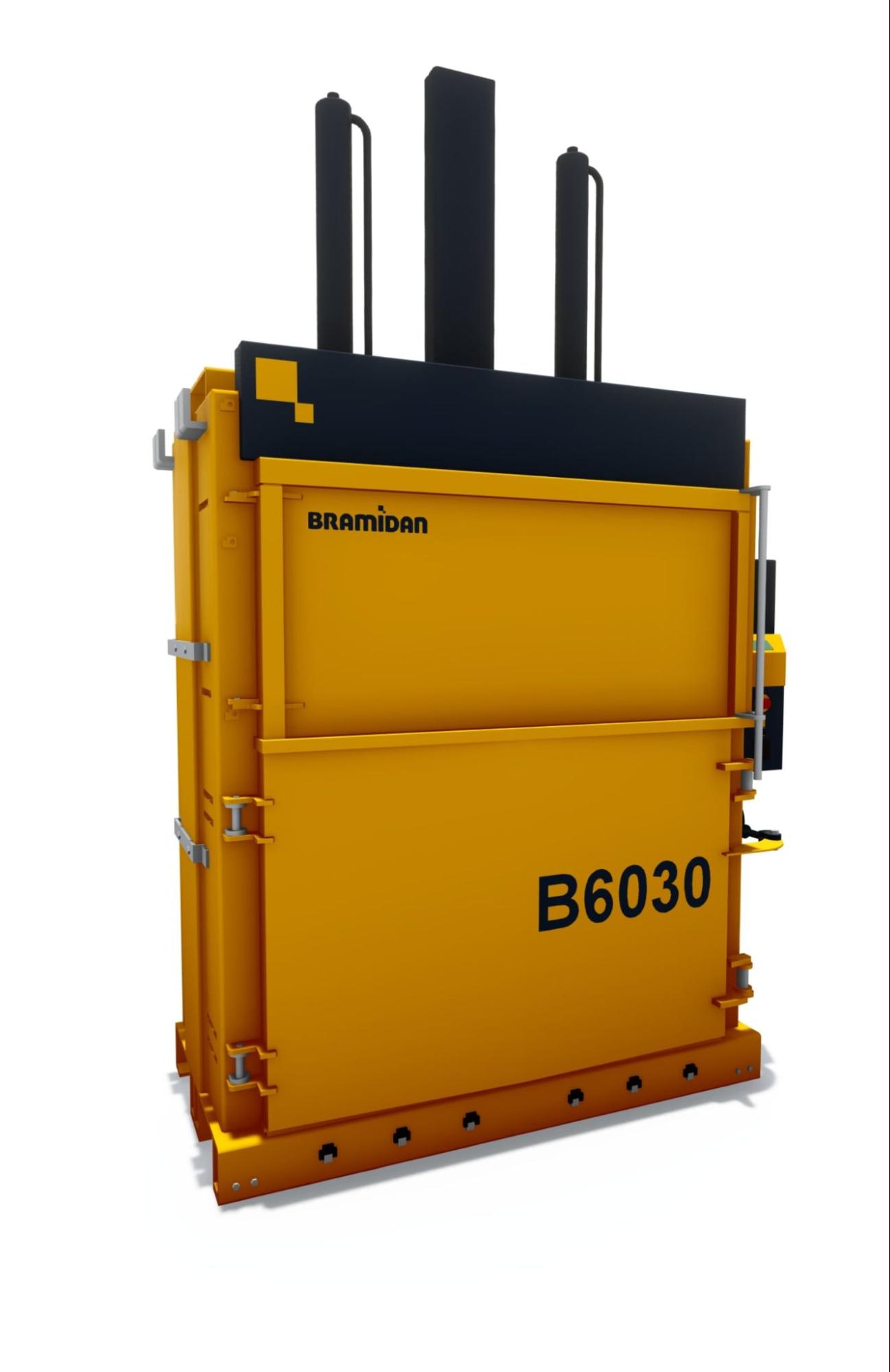
Vertical Cardboard Balers for Compact Facilities
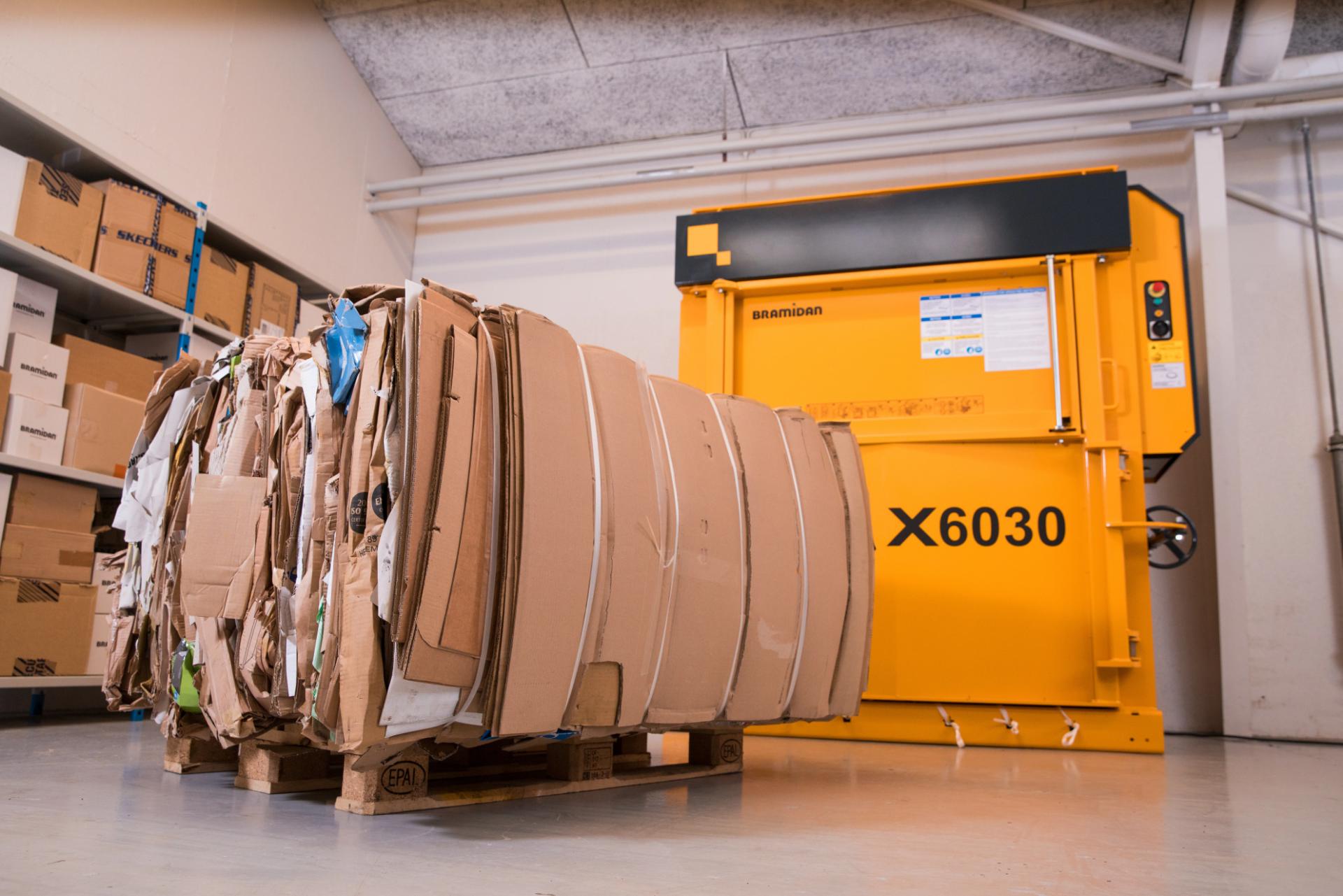
A vertical cardboard baler compresses recyclable cardboard into dense, manageable bales. It is a practical option for businesses handling moderate amounts of cardboard while working with limited floor space.
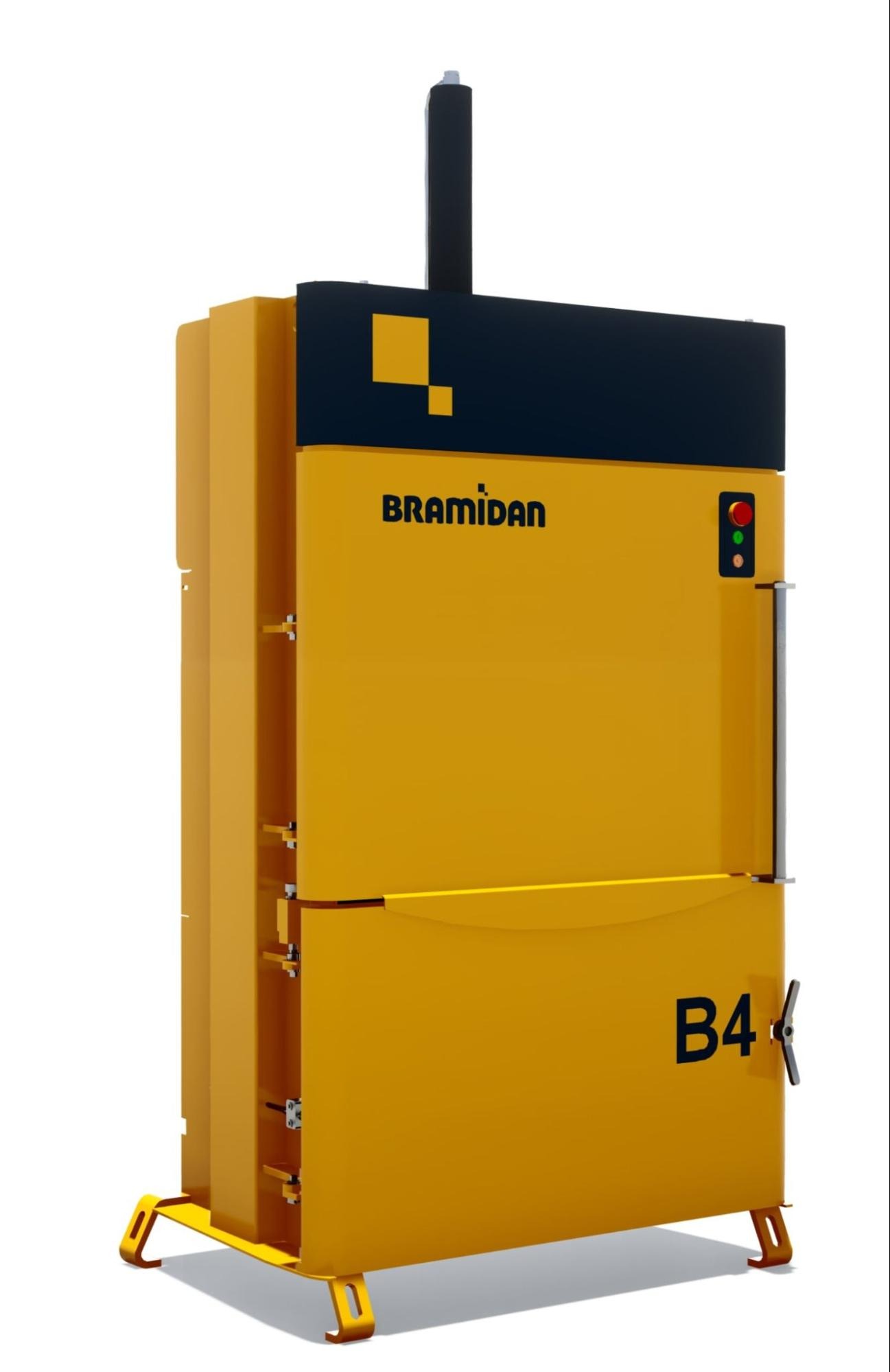
Small Cardboard Balers for Space-Conscious Sites
A compact cardboard baler is designed for facilities where space is restricted. Choosing the right model helps maintain efficient recycling while producing bales that satisfy transportation and recycling requirements.
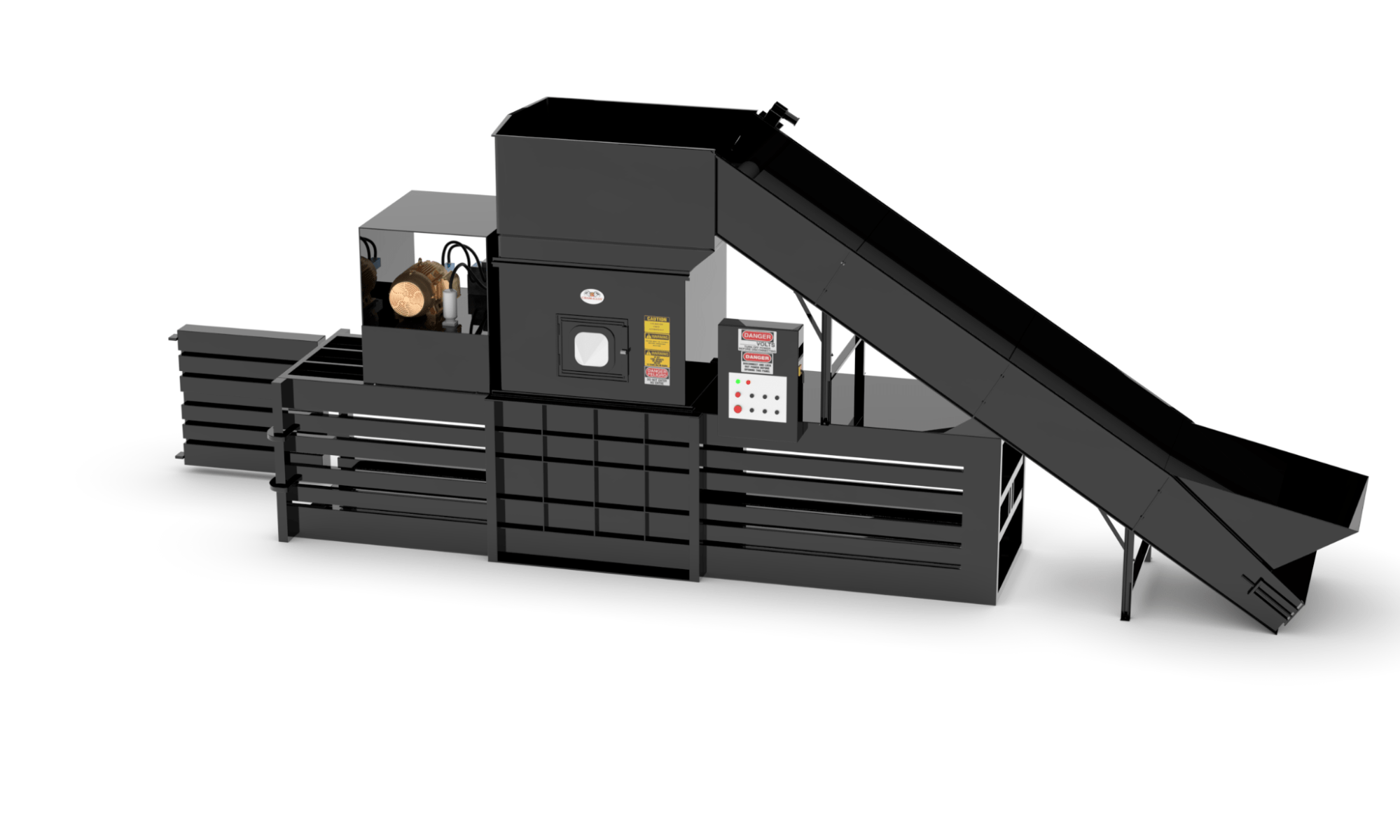
Horizontal Balers for Large-Scale Recycling
Facilities generating significant amounts of cardboard may benefit from a horizontal baler. These machines are built for continuous operation, often support automated feeding, and deliver higher throughput than vertical balers.
Baling reduces the volume occupied by loose boxes. Denser loads may need less storage space, but transportation savings depend on the pickup terms and travel distance. The recycler may also set minimum quantities or other bale specifications.
Balers must be installed and operated according to the manufacturer’s instructions. Employees need training, and machine safeguards must remain in place during operation. Applicable lockout/tagout procedures must be followed before servicing the equipment or clearing jams. Planning should also account for safe loading and bale removal.
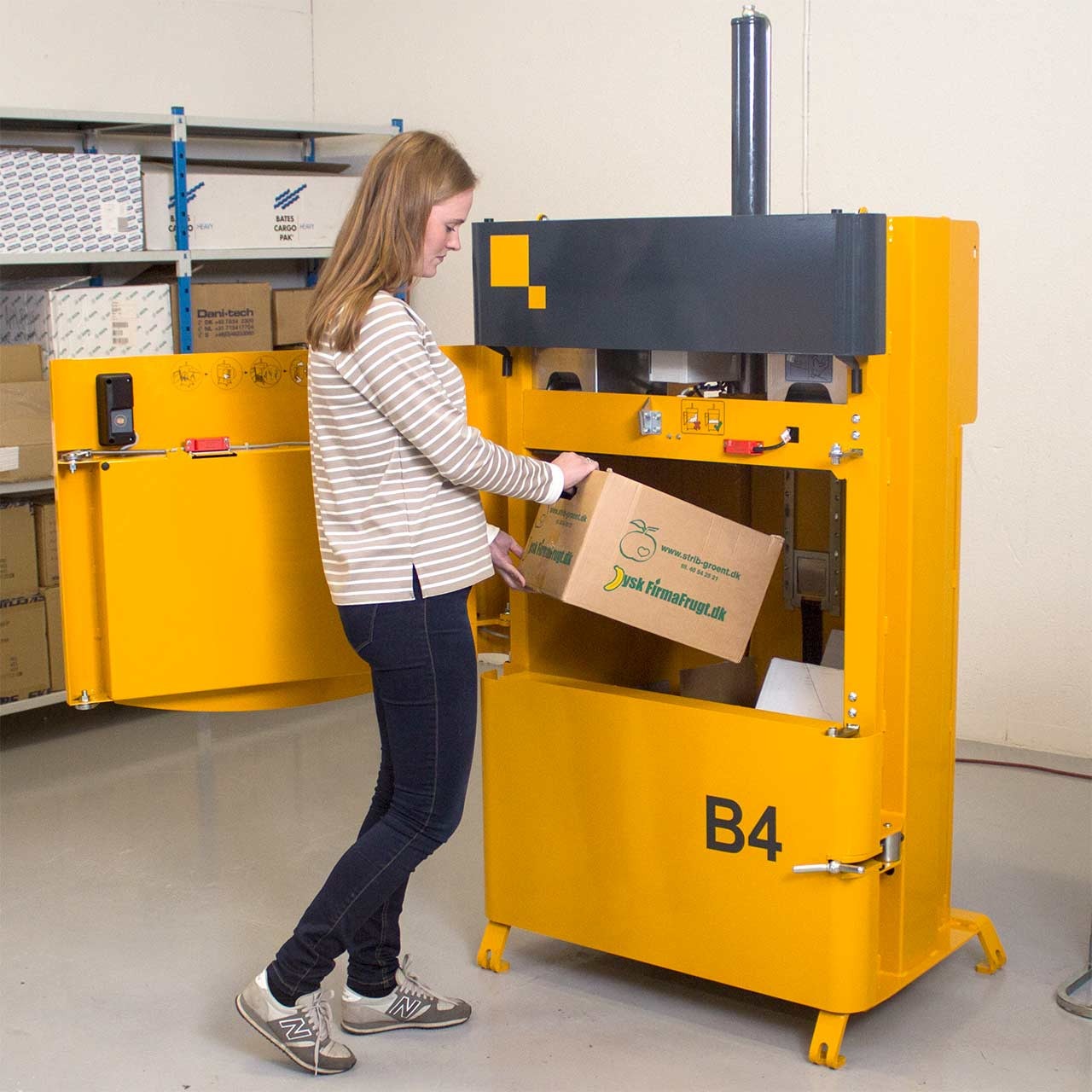
Reduce Cardboard Waste Costs With Global Trash Solutions
Among waste brokerage companies, GTS offers a service model that extends beyond contract evaluation. We can also help clients choose equipment and coordinate approved service changes. When matched to the facility’s needs, these changes may help cut costs without disrupting normal operations.
A recommendation might involve moving a collection point or adjusting pickup frequency. Some facilities may also benefit from a baler. Each change should make cardboard easier to manage and provide better visibility into recurring costs.
Results vary, but a well-planned program can help a business spend less time managing loose material and make better use of storage space. Commodity value and savings are not guaranteed.
Request a free waste consultation from GTS to review your cardboard generation, current services, and collection costs. Our team can identify practical options for improving material recovery and protecting your bottom line. Contact us online or call us today at (866) 760-8194.
FAQs
What is cardboard recycling?
Cardboard recycling is the process of separating used cardboard from trash and sending acceptable material to a processor for recovery. The recovered material is typically processed into pulp that can be used to make new paper products. Requirements differ by program, so businesses should confirm local contamination and coating rules.
What types of cardboard can be recycled?
Clean, dry corrugated shipping boxes are widely accepted, while local rules determine which paperboard and coated packaging can be included. Material contaminated by food, oil, moisture, or wax may be rejected. Facilities should follow their recycler’s instructions.
How do businesses recycle large amounts of cardboard?
Businesses typically separate cardboard where it is generated and arrange collection through a recycler or hauler. High-volume facilities may bale the material before pickup. GTS can assess the operation and coordinate providers, equipment, and schedules.
What equipment is used to handle cardboard waste?
Facilities may use carts or designated containers to move loose material. Vertical and horizontal balers can then compress it for storage and pickup. The appropriate setup depends on volume and receiver requirements. A compactor may suit some programs, but it does not produce the tied bales created by a cardboard baler.
How can Global Trash Solutions help with cardboard recycling?
Global Trash Solutions can evaluate how a facility handles cardboard and recommend an appropriate recycling program. As a waste broker company, GTS works for the customer rather than a single hauler. Support can include program implementation, invoice review, and adjustments as volumes change.