CALL NOW FOR A FREE QUOTE 866.760.8194

Waste Reduction Strategies for Retail Chains
Retail chains generate waste through packaging, shipping materials, damaged merchandise, excess inventory, food products, customer activity, and daily store operations. Managing these materials across multiple locations can become expensive when stores use inconsistent procedures, unsuitable equipment, or collection schedules that do not reflect actual volume.
An effective approach to waste management in retail stores combines chainwide standards with location-specific adjustments. Retailers can reduce costs and improve service by identifying waste sources, preventing unnecessary disposal, strengthening recycling programs, and tracking results across the organization.
What Types of Waste Do Retail Chains Generate?
Retail waste includes the physical materials discarded during store operations and products that lose their value before they can be sold. The exact waste stream depends on store format, merchandise, customer traffic, delivery volume, and seasonal demand.
Common materials include cardboard, paper, plastic film, pallets, food, damaged merchandise, displays, packaging, electronics, and general trash. Grocery stores may generate large quantities of organic waste, while apparel and department stores may handle more cardboard, plastic film, hangers, and returned goods.
Inventory waste and physical disposal waste are closely related. Overordering can create unsold products that require markdowns, donations, recycling, returns, or disposal. Addressing both categories gives retailers a more complete view of their costs.
1. Conduct Waste Audits Across Representative Stores
A waste audit identifies what each store discards, how much material it generates, and how that material is currently handled. For a large retail chain, auditing every store at once may be impractical. A representative sample can reveal common issues and location-specific differences.
The audit should include stores with different sales volumes, footprints, formats, and market conditions. Review container fullness, pickup frequency, contamination, overflow, extra pickups, missed service, equipment performance, and recyclable materials found in the trash.
Retailers can then establish baseline metrics such as waste cost per location, waste volume per transaction, and cardboard volume per delivery. These normalized measurements make store comparisons more useful than total volume alone.
2. Reduce Waste Before Disposal
Source reduction prevents materials from entering the waste stream. It can also address purchasing losses, storage demands, handling time, and disposal expenses.
Retail chains can reduce waste by improving demand forecasting, rotating inventory, transferring slow-moving products, and reviewing packaging requirements with suppliers. Reusable shipping containers, pallet-return programs, product donations, and clearly defined procedures for damaged merchandise may create additional opportunities.
Strong waste management in retail should begin before an item reaches a dumpster or recycling container. Preventing waste often produces greater operational value than managing it after it has already been generated.
3. Standardize Recycling Procedures
Chainwide recycling standards can make employee training and performance reporting more consistent. Retailers can establish shared container colors, signs, material-separation instructions, and training procedures while allowing individual stores to adapt to local recycling requirements.
Retail recycling programs frequently focus on cardboard, plastic film, pallets, paper, metal, and certain electronics. Food retailers may also have opportunities to divert organics through donation, composting, or other recovery programs.
Collection containers should be placed close to the point where employees handle each material. Convenient placement reduces contamination and makes proper separation easier during busy shifts.
4. Right-Size Containers, Equipment, and Service
Container size and collection frequency should reflect each store’s actual waste volume. Oversized dumpsters and unnecessary pickups can increase costs, while insufficient capacity may lead to overflow charges, safety concerns, and service disruptions.
Retailers should review fullness levels, seasonal patterns, delivery schedules, and material density before changing service. Holiday shopping, store renovations, promotions, and inventory resets may require temporary adjustments rather than permanent service increases.
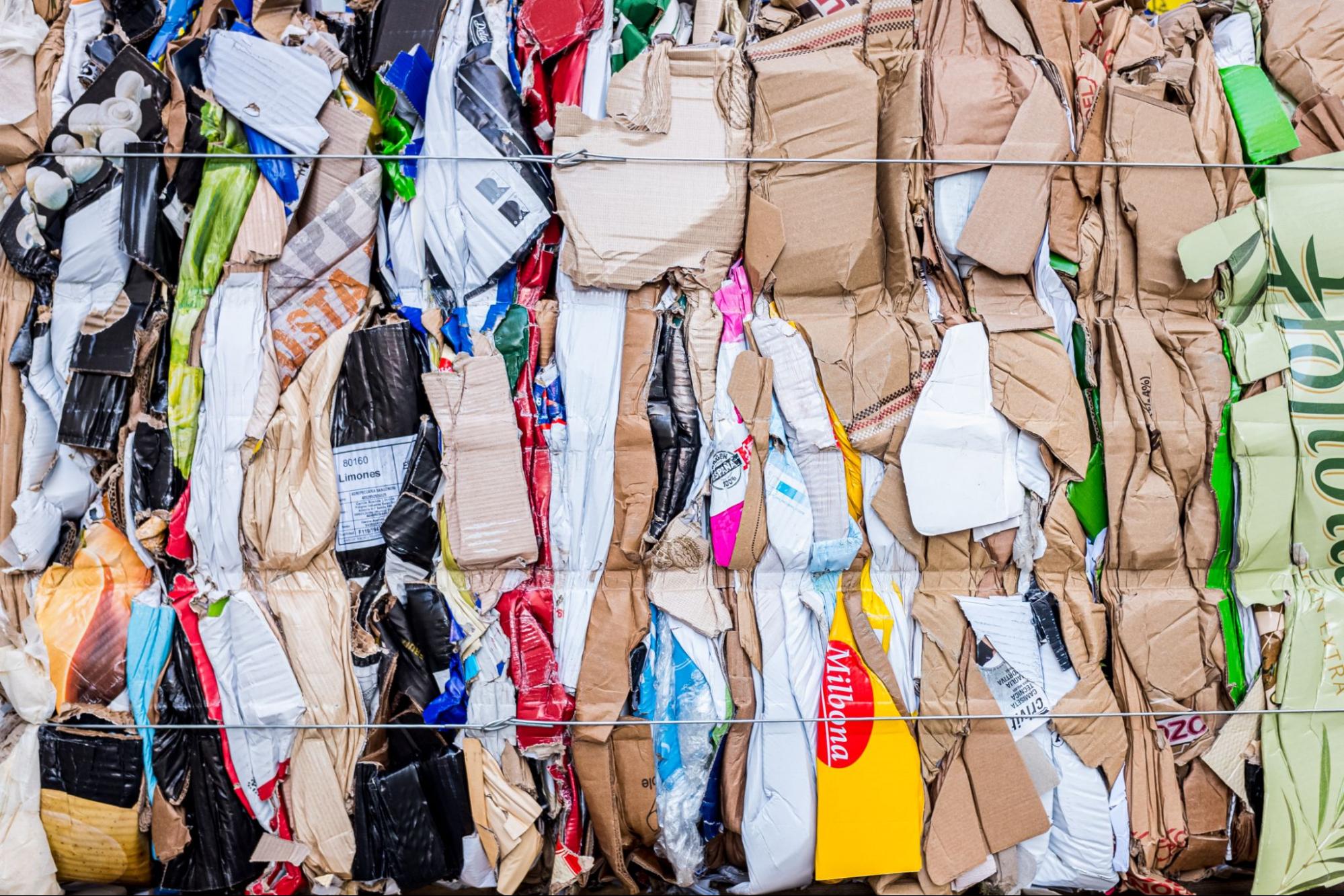
Compactors and balers can support a more efficient retail waste management program. Commercial compactors reduce the volume of general trash or certain recyclable materials. Cardboard balers create dense, manageable bales that can improve loading-dock organization and recyclable material recovery. Equipment selection should account for available space, material type, employee workflow, safety requirements, and service access.
5. Consolidate Vendor and Contract Oversight
Retail chains may work with numerous haulers, equipment providers, recyclers, and repair companies. Decentralized vendor management can make it difficult to compare service levels, resolve problems, or identify unusual charges.
Centralized oversight gives operations and procurement teams greater visibility into contracts, invoices, collection schedules, and vendor performance. Reviews should look for automatic price increases, fuel surcharges, contamination fees, duplicate charges, and services that no longer match store needs.
A consolidated program can also give individual locations one point of contact for missed pickups, equipment issues, and billing questions. This approach makes waste management in the retail industry easier to evaluate across multiple markets.
6. Measure Performance by Location
Retailers need consistent reporting to determine which strategies are working. A short set of actionable metrics is often more useful than a large dashboard that store teams cannot interpret.
Useful retail waste metrics include:
- Total waste volume
- Waste cost per location
- Cost per transaction or square foot
- Collection frequency
- Container utilization
- Recycling or waste-diversion rate
- Contamination charges
- Missed and extra pickups
- Compactor and baler downtime
Reporting should highlight unusual changes and direct attention to stores that need further review. Regular monitoring also helps retailers adjust services as store traffic, inventory, or operating conditions change.
Build a More Efficient Retail Waste Program
Retail waste reduction requires coordinated attention to materials, equipment, contracts, vendors, and store procedures. Audits establish a reliable baseline, while source reduction, recycling, service optimization, and reporting help retailers make practical improvements across the chain.
Global Trash Solutions provides retail waste management solutions for single-store and multi-location operations. Our waste brokering and waste consulting services help retailers evaluate waste streams, coordinate vendors, review hauling arrangements, and improve cost visibility. We also provide commercial compactors and balers that can reduce material volume, support recyclable material recovery, and improve waste-handling operations.
Contact Global Trash Solutions to discuss a retail waste program built around your stores.
Recent Post
Types of Commercial Waste Streams Explained
Nearly every business generates multiple types of waste, but those materials do not…
Read More >Recycling Contamination: Causes and Solutions
Recyclable material can quickly lose its value when food residue, plastic film, or…
Read More >