CALL NOW FOR A FREE QUOTE 866.760.8194

Manufacturing Waste Challenges and How to Solve Them
Manufacturing waste can increase material costs, occupy valuable floor space, disrupt production, and drive up collection expenses. Scrap, defective products, excess inventory, packaging, and production byproducts all require resources to handle, store, recycle, or dispose of.
An effective manufacturing waste management program addresses waste at two levels. It reduces inefficient production activities while improving how unavoidable materials are separated, collected, processed, and measured. Manufacturers can gain greater control over costs by connecting operational improvements with a facility-specific waste strategy.
What Is Manufacturing Waste?
Manufacturing waste includes discarded materials and activities that consume labor, energy, time, space, or other resources without adding value to the finished product.
Physical factory waste may include metal scrap, plastics, cardboard, wood, chemicals, wastewater, damaged products, packaging, and unusable raw materials. Operational waste includes overproduction, unnecessary movement, equipment downtime, excess inventory, product defects, and avoidable processing steps.
These categories often overlap. Overproduction, for example, may create excess inventory that eventually becomes physical waste. A defective product also represents lost material, machine time, energy, and employee labor.
Identifying both forms of waste in manufacturing provides a more accurate view of the financial and operational effects.
Challenge 1: Excess Scrap and Material Loss
Cutting errors, inconsistent machine settings, contamination, poor material handling, and product defects can increase scrap. The cost extends beyond the discarded material because the facility has already used labor, energy, equipment, and production time on it.
Manufacturers can begin by measuring scrap according to production line, product, material, shift, or machine. Comparing scrap with production output helps account for changes in demand. A facility producing waste at a higher total volume may still be improving if its waste generated per production unit is declining.
Once a recurring loss is identified, root-cause analysis can help determine why it occurs. Solutions may include recalibrating equipment, updating preventive maintenance procedures, improving quality control checks, or standardizing material handling.
Recoverable scrap should also be separated by material type when practical. Clean, uncontaminated materials may retain greater recycling value than mixed loads.
Challenge 2: Overproduction and Excess Inventory
Producing more than current demand requires can create storage pressure, obsolete products, expired materials, and unnecessary packaging. Excess raw materials may also degrade or become unusable before entering production.
Reducing this waste requires coordination among purchasing, sales, inventory, and production teams. Manufacturers can review demand data, identify materials with high spoilage or obsolescence rates, and establish appropriate inventory limits.
Just-in-time practices may help reduce storage periods, but they should be applied according to supplier reliability and operational risk. Removing inventory buffers too aggressively can leave a facility vulnerable to shipping delays or material shortages.
A balanced approach supports production waste reduction without interfering with the facility’s ability to meet customer demand.
Challenge 3: Mixed and Contaminated Waste Streams
Recyclable materials can lose value when mixed with food, liquids, chemicals, or general trash. Contamination can also result in rejected loads, added handling requirements, or disposal fees.
A waste-stream analysis documents the materials a facility generates, where they originate, and how they move through the building. It can reveal opportunities to separate cardboard, plastics, metals, textiles, wood, and other recoverable materials at their point of generation.
A successful separation program should make correct handling convenient. Practical improvements may include placing clearly labeled containers near production areas, matching container openings to the intended material, and providing instructions based on the facility’s actual waste streams.
Manufacturers should also verify that local recycling providers accept the separated materials. Collecting a material separately provides limited value if no viable recovery market or processing option exists.
Challenge 4: Inefficient Waste Handling and Storage
Poorly located containers, long transportation routes, limited loading-dock space, and unsuitable storage practices can add unnecessary movement to the waste in manufacturing process. Employees may spend additional time moving materials, while recyclables can become damaged or contaminated before collection.
Manufacturers can map the movement of waste from each production area to its final storage or collection point. The review should consider travel distance, labor requirements, container accessibility, safety procedures, and pickup access.
Moving collection points closer to where waste originates may reduce handling time. The correct container type can also help prevent spills, contamination, and overflow.
Storage procedures should reflect the material being managed. Wet or leak-prone waste requires a different setup from dry packaging, cardboard, or metal scrap.
Challenge 5: High Waste Volume and Frequent Collections
Bulky packaging, cardboard, textiles, and other lightweight materials can fill containers before those containers reach their weight capacity. The result may be frequent pickups, crowded waste areas, and inefficient use of loading dock space.
Compactors and balers can support waste-volume reduction when matched to the facility’s materials and operating conditions. Stationary compactors are commonly used for dry waste, while self-contained compactors can help manage wet or leak-prone materials. Vertical and horizontal balers may prepare cardboard and other recyclables for storage or collection.
Equipment selection should account for waste type, volume, available space, electrical access, employee workflow, and pickup requirements. The right equipment may reduce collection frequency or improve material recovery, but results depend on the facility’s waste stream and service structure.
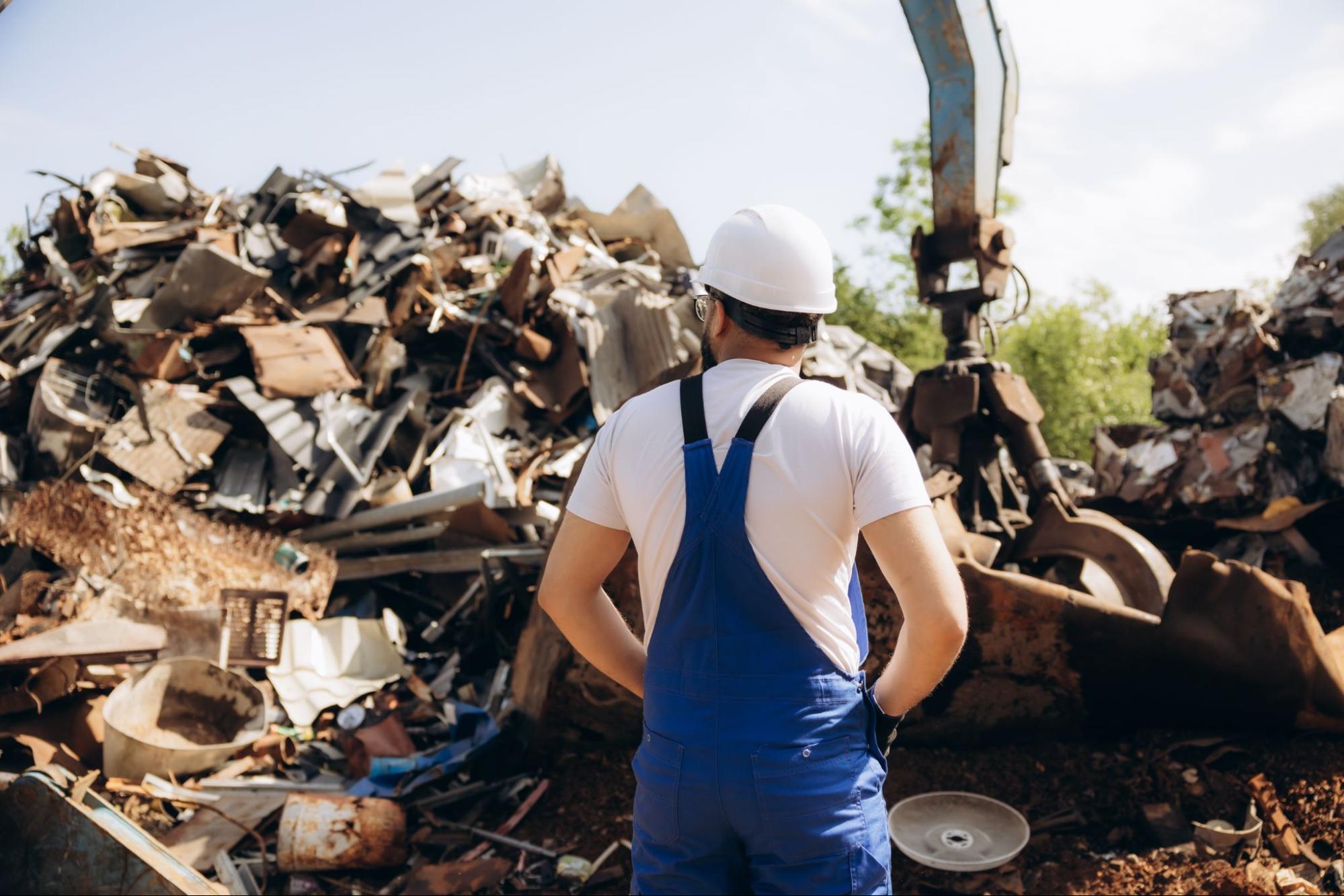
Challenge 6: Rising Collection and Disposal Costs
Manufacturers may pay more than necessary because of poorly utilized containers, excessive collection frequency, contamination charges, equipment rental fees, fuel charges, or unfavorable contract terms.
A service review should compare container capacity with actual waste volume. Containers that are routinely collected before they are full may indicate an opportunity to adjust the schedule. Persistent overflow may point to insufficient capacity, production changes, or a poorly matched container.
Contract reviews can identify rate increases, automatic renewal terms, added fees, and service requirements that no longer reflect the operation. Multi-location manufacturers should also compare costs and service levels across facilities to identify inconsistencies.
Challenge 7: Limited Waste Data
Invoices show what a manufacturer paid, but they do not always explain why costs changed. Production data and waste-service data must be viewed together to identify meaningful patterns.
Useful manufacturing waste metrics include scrap rate, material yield, rework rate, waste per production unit, disposal cost per unit, contamination rate, container utilization, collection frequency, and waste-diversion rate.
Tracking results over time can show how production changes affect waste. It also gives manufacturers a baseline for evaluating equipment, process, recycling, or hauling adjustments.
A Practical Manufacturing Waste Reduction Plan
Manufacturers can use a structured process to move from identifying a problem to measuring an improvement:
- Establish baseline waste volumes, costs, and service levels
- Conduct a waste-stream analysis
- Identify the process or material responsible for the greatest cost or volume
- Investigate why the waste is being generated
- Select one measurable operational or service change
- Test the change within a defined production area
- Compare the results with the baseline
- Standardize successful procedures and continue monitoring performance
Beginning with a focused pilot can make results easier to evaluate before a program expands across additional production lines or facilities.
Build a More Manageable Manufacturing Waste Program
Manufacturers cannot prevent every discarded material or production byproduct. They can still control how much waste they generate and how efficiently the remaining materials are handled.
Global Trash Solutions provides waste brokering and consulting services that help manufacturers evaluate waste streams, hauling schedules, container utilization, vendor contracts, and reporting practices. We also offer compactors and balers designed to reduce waste volume, improve recyclable-material handling, and support more efficient collection.
Request a free waste consultation to identify cost-saving opportunities and determine if a compactor or baler is right for your manufacturing facility.
Recent Post
Types of Commercial Waste Streams Explained
Nearly every business generates multiple types of waste, but those materials do not…
Read More >Recycling Contamination: Causes and Solutions
Recyclable material can quickly lose its value when food residue, plastic film, or…
Read More >