CALL NOW FOR A FREE QUOTE 866.760.8194

Textile Waste Management & Recycling Solutions
GET YOUR FREE CONSULTATION
Textiles are a common part of the commercial waste stream. Materials made from natural or synthetic fibers, such as clothing, linens, upholstery, and footwear—are generated in large volumes through everyday business activities. Retailers handle unsold and returned apparel, hotels manage constant linen turnover, healthcare facilities process large quantities of fabric materials, and manufacturers produce textile scrap as part of production.
Smarter Recycling Strategies for Businesses
The U.S. Environmental Protection Agency estimates that about 17 million tons of textile waste are generated each year, with more than 11 million tons sent to landfills (2018 data). This contributes to rising disposal costs and increased environmental impact. Businesses looking to reduce waste costs and improve sustainability goals are turning to structured textile recycling programs as part of a larger waste management strategy.
Global Trash Solutions supports these efforts as a waste broker and waste consulting partner. We help businesses develop collection strategies, coordinate recycling services, and connect with the right vendors to improve efficiency and reduce the amount of materials sent to landfills.
WASTE REDUCTION
ENROLLMENT NOW
GET STARTED
Common Sources of Commercial Textile Waste
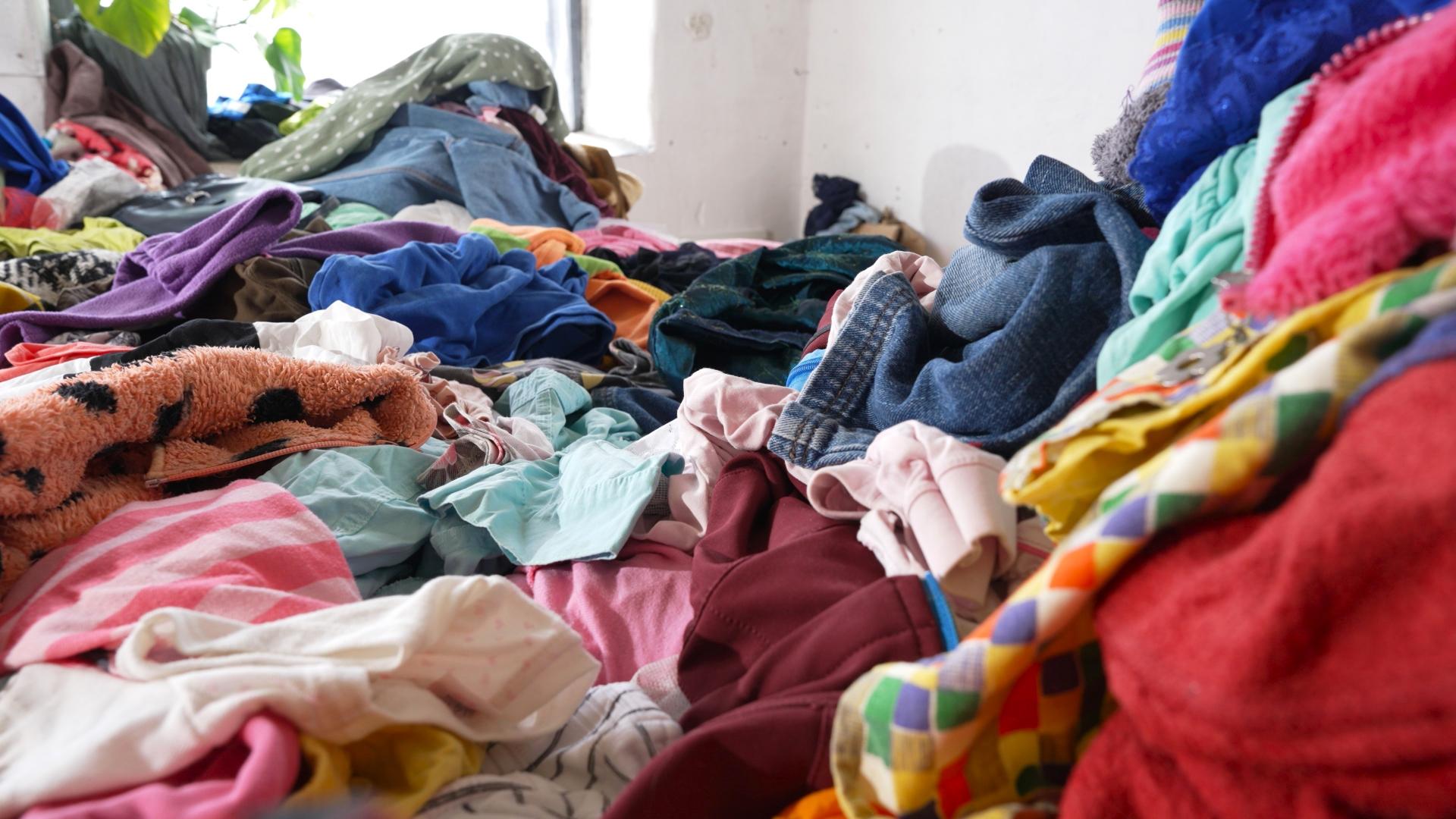
Commercial textile waste comes from a wide range of operations, and understanding where it originates is the first step in building an effective recycling program. Many of these materials can be reused or processed into new products when properly collected and sorted.
Common sources include:
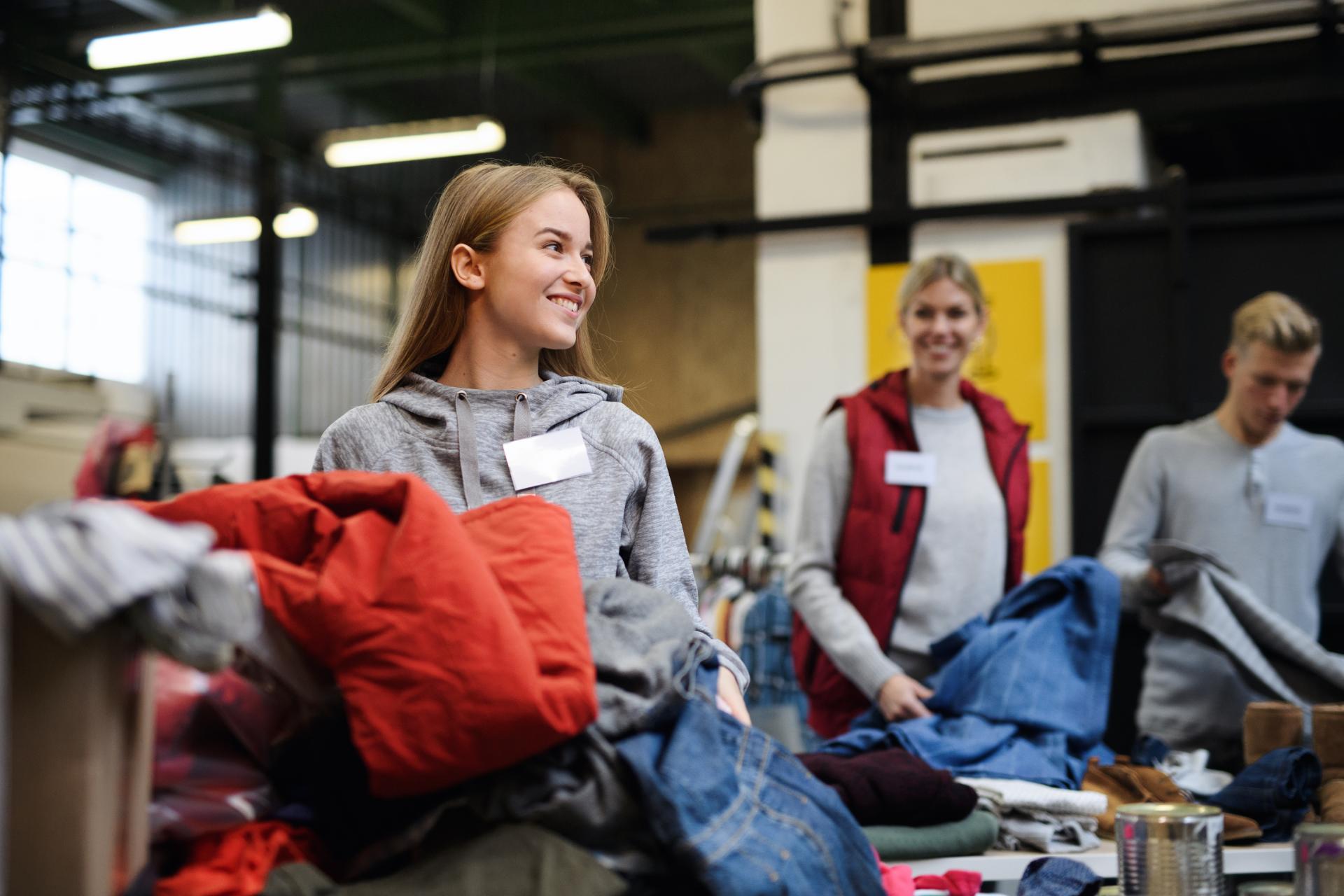
- Returned or damaged used clothing from retail operations
- Uniforms, linens, and towels from hospitality and healthcare facilities
- Upholstery, fabric cuttings, and textile scraps from furniture manufacturing
- Towels, sheets, blankets, and curtains from hotels, hospitals, and institutional environments
- Carpet and rugs from renovation or replacement projects
- Footwear from retail inventory and shoe recycling programs
Unwanted clothes from lost-and-found storage, uniform changes, or resale operations may also be recyclable when they are clean and dry.
With proper textile collection systems in place, businesses can separate recyclable materials from general waste and create new opportunities for these items.
Why Textile Recycling Is Important for Businesses
Textile recycling also reduces the environmental impact of commercial waste while supporting operational efficiency. The growing volume of clothing waste generated each year by the textile industry adds to landfill pressure, even though much of it consists of recyclable materials.
Recycling textiles can help businesses:
- Divert waste from landfills
- Support sustainability goals and corporate environmental initiatives
- Reuse recyclable materials in new applications
- Improve waste management practices across multiple facilities
- Reduce waste costs associated with hauling and disposal
As landfill space becomes more limited, companies are under increasing pressure to adopt sustainable practices. Textile recycling provides a practical way to reduce environmental impact while also achieving long-term cost savings.
How Global Trash Solutions Helps Businesses Recycle Textiles
Global Trash Solutions works with businesses to design and implement commercial textile recycling programs that align with their operations. As a waste broker, GTS does not operate as a standalone recycling company. Instead, we act as a waste brokerage partner that connects businesses with the right textile collection company or commercial recycling center based on their needs.
As part of our waste consulting services, we:
- Analyze textile waste streams to identify recyclable materials
- Develop customized textile collection strategies
- Coordinate recycling service providers
- Negotiate service agreements as a broker to reduce waste costs
Each facility produces different types of commercial textile waste. Some materials may be suitable for reuse, while others may require specialized textile recycling processes. Determining the most effective approach ensures recyclable materials are handled correctly and unnecessary disposal is minimized.
Unlike many waste broker companies that focus only on pricing, GTS takes a broader approach. By combining waste consulting with waste brokering, we help businesses improve recycling efficiency, streamline operations, and build programs that deliver long-term results.
Textile Collection and Recycling Processes
Textile recycling processes vary depending on the type and condition of the materials, but most follow a similar structure. Businesses that want to recycle textiles effectively need to focus on proper collection and sorting.
A typical process includes:
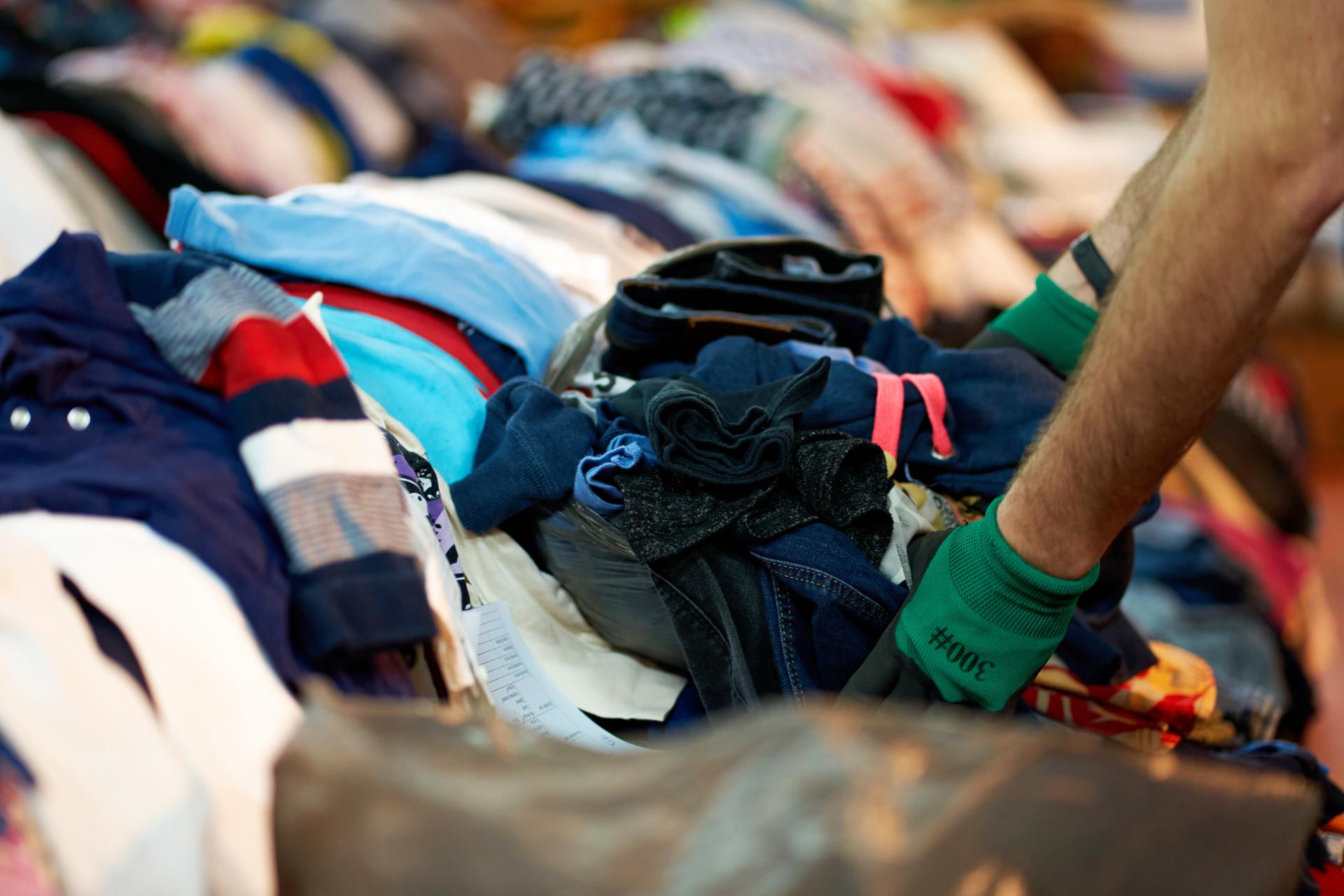
- Textile collection : Businesses collect used clothing, linens, fabric materials, and related products in designated textile recycling bins or containers.
- Sorting and separation : Clean, dry materials are directed toward recycling or reuse, while contaminated or unsuitable items may require disposal.
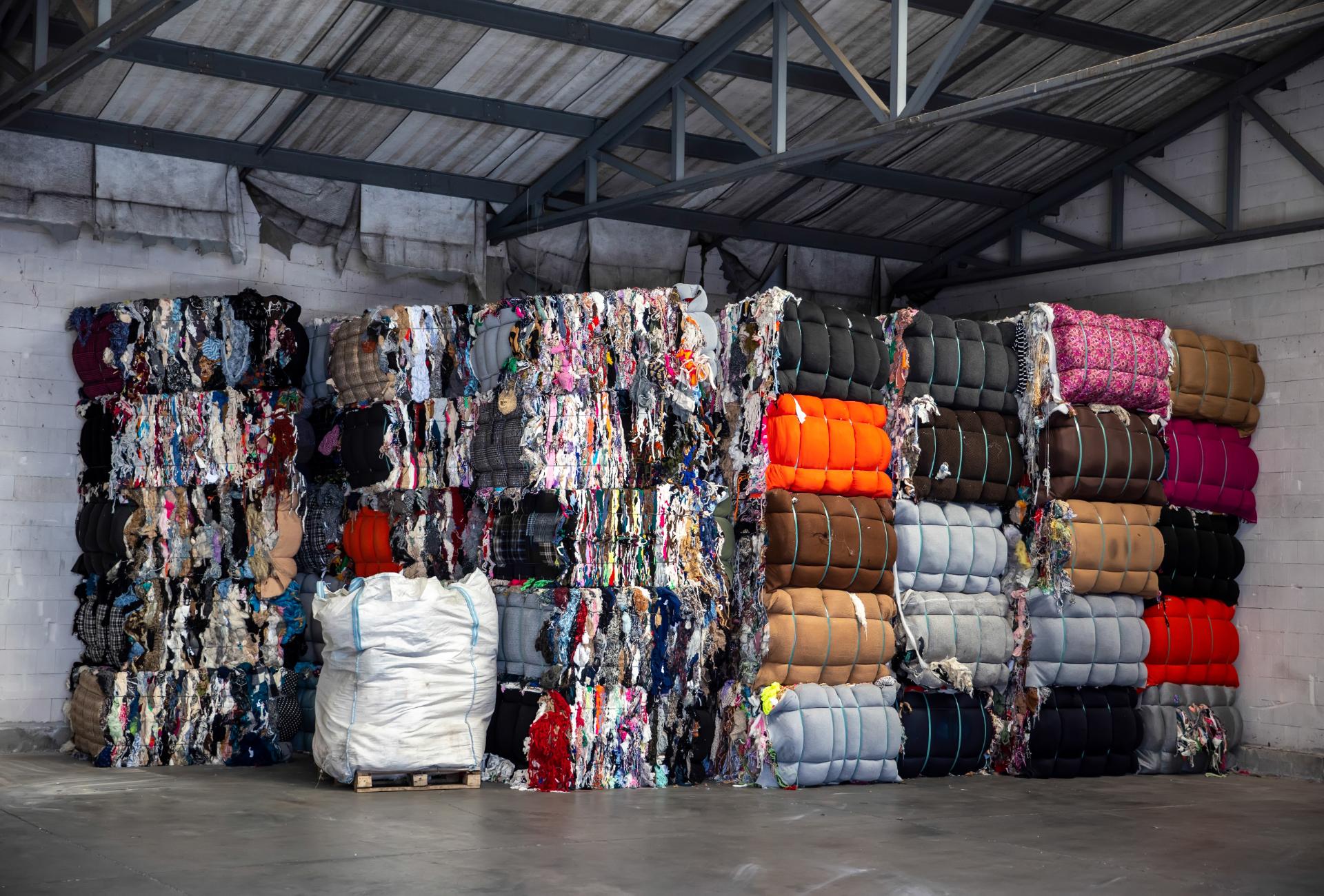
- Preparation and consolidation : Textiles are prepared for transport, often through baling or consolidation to improve handling efficiency.
- Processing and reuse : Recyclable textiles may be processed into fibers or converted into products such as wiping rags or insulation. Some materials are reused directly through resale or donation channels.
We set up efficient textile collection systems and coordinate recycling services through our network of providers. By aligning collection, transportation, and processing, recyclable materials are routed to the appropriate outlets.
Balers and Equipment for Textile Waste Management
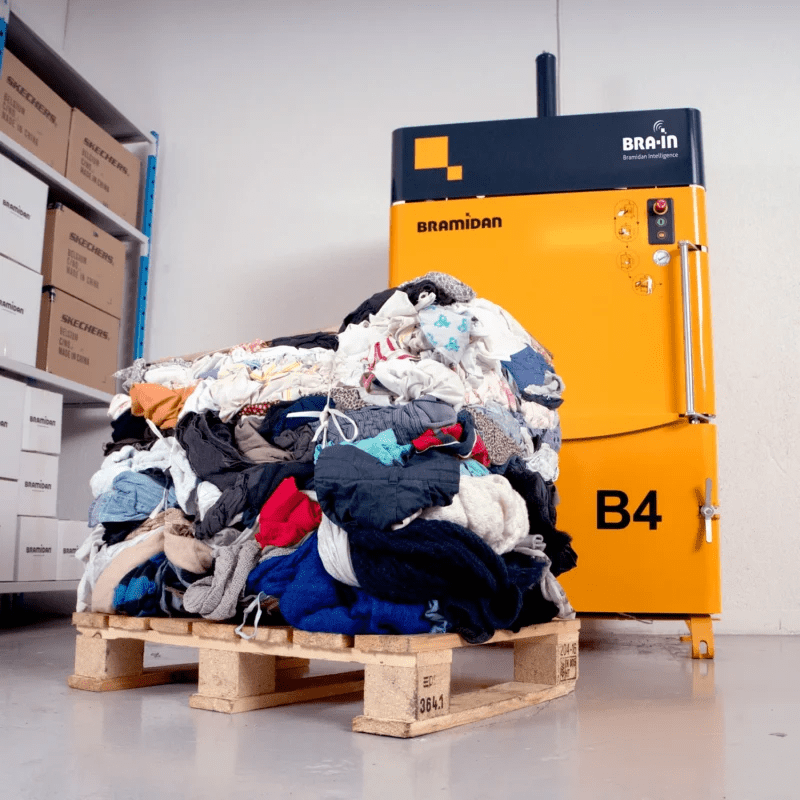
Equipment plays a major role in managing textile waste efficiently, especially for businesses generating large volumes of material. Textile balers are commonly used to compress and consolidate textiles for storage and transportation.
Key equipment includes:
- Vertical balers for smaller operations with moderate textile volumes
- Horizontal balers for high-volume facilities such as distribution centers or manufacturing operations
Using a textile baler helps businesses:
- Reduce storage space required for textile waste
- Lower transportation and hauling costs
- Improve handling and organization of recyclable materials
- Prepare materials for pickup by a textile recycling company or commercial recycling center
We evaluate waste volume, available space, and recycling goals to determine when baling makes sense.
Reduce Textile Waste Costs With Global Trash Solutions
Managing textile waste effectively requires more than a basic recycling service. It involves selecting the right vendors and building a system that supports consistent results. Working with a waste consulting company like Global Trash Solutions can make it easier to identify which textile products can be reused or recycled.
Businesses working with a waste consulting or waste brokerage company often see better results when recycling programs are aligned with daily operations. By focusing on better vendor coordination and the right equipment, businesses can turn textile waste into a more manageable and cost-effective part of their operations.
Call GTS at 866-760-8194 for more information and a free quote.
FAQs
What is textile recycling?
Textile recycling is the process of collecting, sorting, and repurposing materials such as clothing, linens, upholstery, and other fiber-based products so they can be reused or processed into new materials.
What types of textiles can be recycled?
Many textiles can be recycled, including used clothing, towels, bedding, curtains, upholstery fabric, carpet, rugs, and some footwear. Materials generally need to be clean and dry to be accepted by a textile recycling company or commercial recycling center.
How do businesses recycle textile waste?
Businesses recycle clothes and other textile waste by separating recyclable materials from general disposal streams, using recycling bins for collection, and working with a textile collection company or recycling service to transport materials to appropriate facilities.
What equipment is used to manage textile waste?
Common equipment includes textile balers, clothing balers, vertical balers, and horizontal balers. These tools help compress and organize textile waste, making it easier to store and transport.
How can Global Trash Solutions help with textile recycling?
Global Trash Solutions helps businesses analyze their textile waste, develop recycling programs, coordinate collection services, and negotiate vendor contracts as a waste broker. This approach helps reduce waste costs while improving recycling efficiency and supporting sustainable practices.